-

Image credit – “The Adventures of Tom Sawyer” by Mark Twain, Illustrated Classic Edition published by Moby Books In my community, Deepavali used to be a 5 day festival until electric water boilers and modern plumbing became commonplace. That would mean the 1970s and 1980s and even the 1990s in many Indian cities. One can…
-
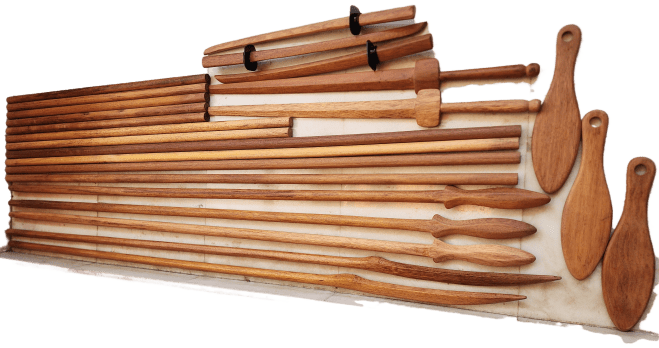
Arrangement of toy soldiers, part of a Dasara doll display I work in the IT (Information Technology) industry. One thing that is common in the IT industry is the need to avoid “escalations”. An “escalation” occurs is when someone (likely on the side of the client) complains that work or delivery of a solution or…
-

A pesiosaurid. Image credit – “The Animal World – from the Knowledge Quest series by Reader’s Digest” I visited Lake Vembanad in Kerala some time ago. It is one of the largest lakes in India. It is extremely beautiful and allows for some great cruises. The lake is host to several species of birds which…
-
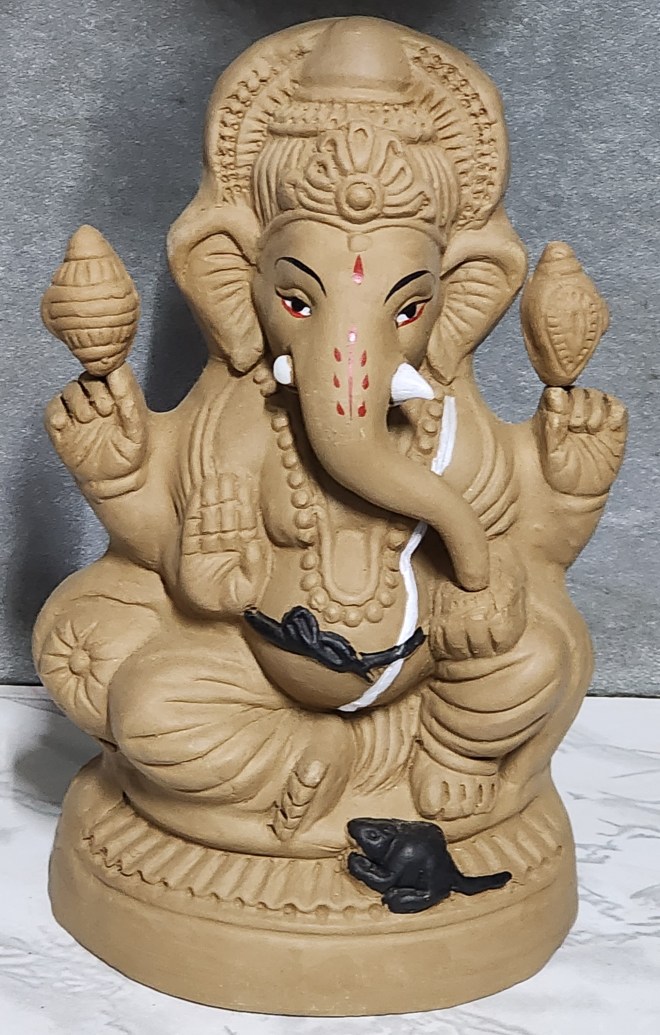
Today is Ganesha Chaturthi. As everyone knows, Lord Ganesha is most commonly referred to as “Vidya Ganapati” and as “Destroyer of Obstacles”. In the first epithet, Lord Ganesha is recognized and celebrated as someone who enables the gaining of knowledge. The titles, Vighneshwara (one who lords over obstacles), Vighnaharta (one who defeats obstacles) and Vighnaraja…
-
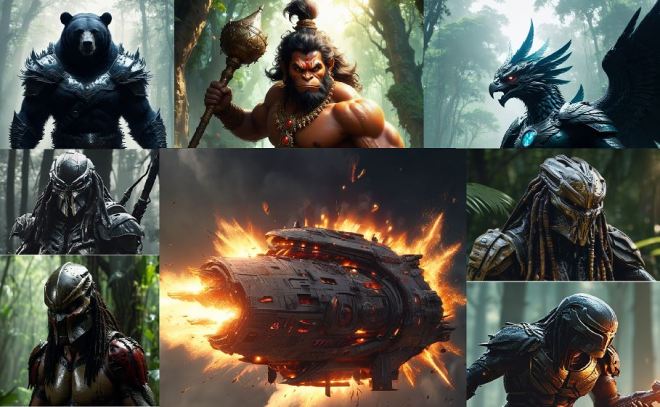
Chapter 6 – The Fight Artwork by Adarsh Jadhav (with help from AI) Disclaimer: The following story is a work of fan fiction. It is purely meant for entertainment purposes and not for any commercial or profit related purposes. I do not own any of the characters mentioned in the story. The Gods and characters…
-
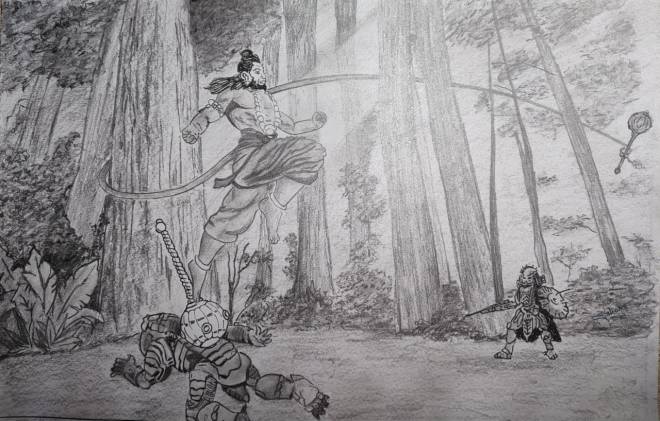
Chapter 5 – Trees Artwork by Vishnu Mohan Disclaimer: The following story is a work of fan fiction. It is purely meant for entertainment purposes and not for any commercial or profit related purposes. I do not own any of the characters mentioned in the story. The Gods and characters from stories of Hindu tradition…
-
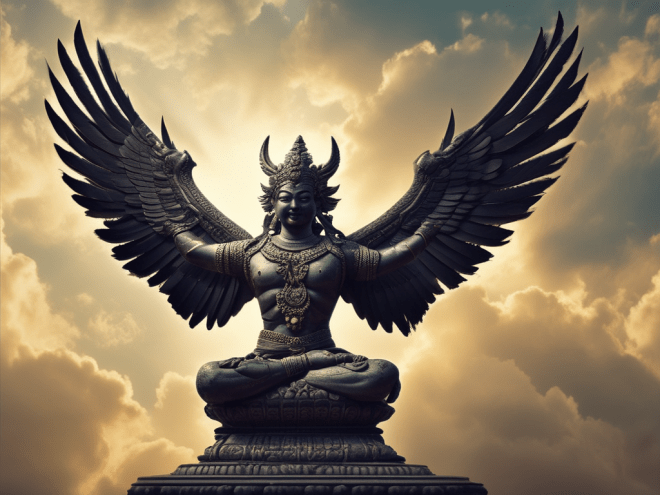
Chapter 4 – Sky Artwork by Adarsh Jadhav (with the use of AI) Disclaimer: The following story is a work of fan fiction. It is purely meant for entertainment purposes and not for any commercial or profit related purposes. I do not own any of the characters mentioned in the story. The Gods and characters…
-
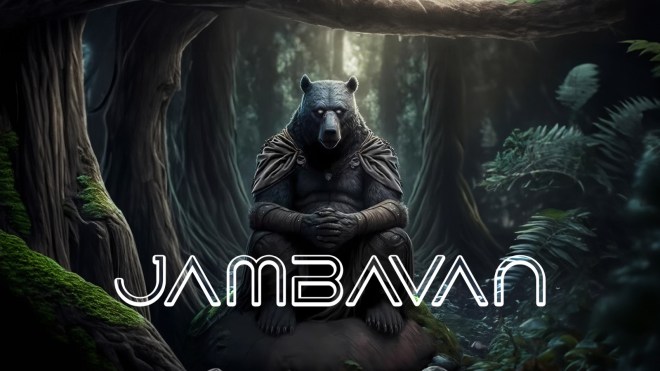
Chapter 3 – Caves Artwork by Adarsh Jadhav (with the use of AI) Disclaimer: The following story is a work of fan fiction. It is purely meant for entertainment purposes and not for any commercial or profit related purposes. I do not own any of the characters mentioned in the story. The Gods and characters…
-
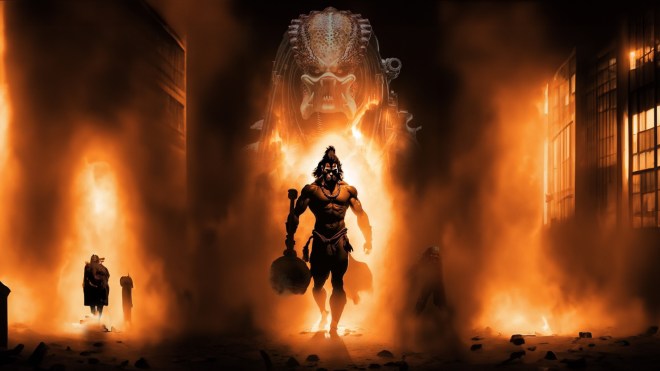
Chapter 2 – The Ambush Artwork by Adarsh Jadhav (with use of AI) Disclaimer: The following story is a work of fan fiction. It is purely meant for entertainment purposes and not for any commercial or profit related purposes. I do not own any of the characters mentioned in the story. The Gods and characters…
-
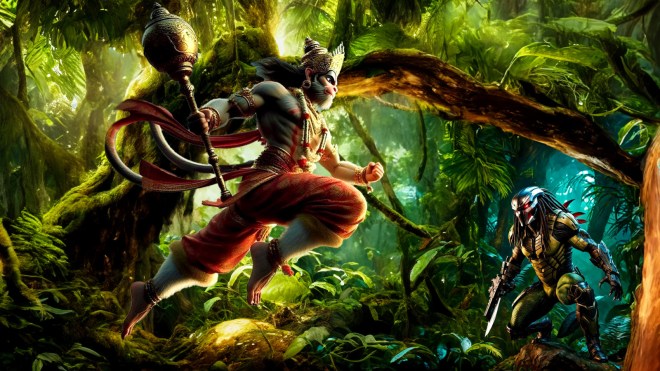
Chapter 1 – The failed hunt Artwork by Adarsh Jadhav (with use of AI) Disclaimer: The following story is a work of fan fiction. It is purely meant for entertainment purposes and not for any commercial or profit related purposes. I do not own any of the characters mentioned in the story. The Gods and…
Categories
- Budo
- Bujinkan
- Corporate culture
- Current Affairs / Recent History
- Fan fiction
- Fiction
- hinduism
- Indian Culture
- Indian History
- Martial Arts
- Pop Culture
- Uncategorized
- Wildlife
- Work culture
Posts by Month
- October 2026 (1)
- September 2026 (2)
- August 2026 (3)
- July 2026 (3)
- June 2026 (2)
- May 2026 (3)
- April 2026 (2)
- February 2026 (2)
- January 2026 (2)
- December 2025 (2)
- November 2025 (2)
- October 2025 (3)
- September 2025 (1)
- August 2025 (2)
- July 2025 (3)
- June 2025 (2)
- May 2025 (2)
- April 2025 (3)
- March 2025 (1)
- February 2025 (2)
- January 2025 (3)
- December 2024 (2)
- November 2024 (2)
- October 2024 (2)
- September 2024 (2)
- August 2024 (3)
- July 2024 (2)
- June 2024 (2)
- May 2024 (2)
- April 2024 (2)
- March 2024 (2)
- February 2024 (3)
- January 2024 (2)
- December 2023 (2)
- November 2023 (2)
- October 2023 (2)
- September 2023 (2)
- August 2023 (3)
- July 2023 (2)
- June 2023 (2)
- May 2023 (2)
- April 2023 (2)
- March 2023 (3)
- February 2023 (2)
- January 2023 (2)
- December 2022 (2)
- November 2022 (2)
- October 2022 (2)
- September 2022 (1)
Latest Posts
- Gada Raga – Harmony of the Mace
- Krishna, Maya, Deception – Part 2
- Krishna, Maya, Deception – Part 1
- Balarama Jayanti – The Plough as a Weapon
- The Bujinkan schools from an Indian perspective – Terrain, People & Evolution – Part 2
- The Bujinkan schools from an Indian perspective – Terrain, People & Evolution – Part 1
- The Protest and The Stick
- Chetak & “The Day of the Horse”
- The Bujinkan = The continuous transition between Lords Rama & Krishna
- The Rajput Spear – What are the rings for?

