Disclaimer: The following story is a work of fan fiction. It is purely meant for entertainment purposes and not for any commercial or profit related purposes. I do not own any of the characters mentioned in the story. The Gods and characters from stories of Hindu tradition and not owned by anyone for they are living divinities. The character of the Predator is the one from the Predator movies, distributed by 20th Century Fox. The character of the Predator was created in the film “Predator” (1987) directed by John McTiernan.
Hanuman landed back among the trees as Jambavan and Garuda split off. He landed on a branch and then dropped onto the ground softly, making no noise and creating no vibration. He then rolled to the base of a different tree and hauled himself slowly and noiselessly up onto a branch with his tail acting as a winch, holding one of his maces in one hand. As he started hauling himself up, he threw his other mace to land with a gentle plop a short distance away hoping to distract any of the asuras nearby. He was testing their abilities here, their sight, their hearing, and their sense of smell. He then hugged the tree and stayed still. Only his tail slowly crept down to the base of the tree increasing its length. It also carried down his second mace with it to the base of the tree.
He had barely stayed still for a few kshanas when a host of bright astras streaked towards him. He dropped off the branch the moment he felt the attack coming. The trunk and branch he had been on were blown to smithereens.
Hanuman now moved as a blur as soon as he dropped off the branch. Like earlier he moved in all directions at random while using the mace in his tail to flail about and scatter detritus on the ground, shake trunks, break branches. He leapt up on to trees, ran on the ground on all fours, ran on two legs, remained stationary for kshanas and only caused destruction with his tail. He even swung through the branches to higher levels of the canopy and between greatly separated trees.
Clearly the asuras were not deceived by stillness or distracting sounds. They likely could smell their quarry with great precision or see with absolute clarity in the dark. But his own abilities were not ordinary. He had a versatile fifth limb in his tail. It could change length to a considerable extent, change density at will and was perfectly prehensile. Also, just like his elders Garuda and Jambavan, his observational and warrior skills were unmatched, honed to perfection and beyond over millennia.
An observer with divine perception might have noticed that though Hanuman’s movement seemed random, the strikes with the mace in his tail were rarely so. He registered the point of origin of every astra flare and every deliberate malicious movement, and struck at that location with the mace. But none of the strikes were direct like with an arm. The flexibility of the tail allowed his mace to strike at impossibly acute angles and around objects like trees. His hits snaked up parallel to tree trunks, swung around trees, looped though gaps in the arboreal cover and dropped branches onto concealed enemies. So great was his training with his tail as a weapon, he could tell from the strike if he hit an asura or something else.
When he felt the asuras even begin to sense that he was not doing any of the striking with his discernible four limbs, he reversed tactics and used his tail to swing and move about while he thrashed about with the mace in his hands. The mace flew from hands to tail like it knew the path of its own volition. In less than three nimishas thus he had determined that he had twenty adversaries. Two were dead and none were now invisible. One was crushed under a falling tree and another had had its chest caved in by Hanuman’s mace. Most were visible and a few had failing yantras with clearly noticeable shimmers.
He now shortened his tail and flicked the mace into his left hand. He had sensed a reluctance to continue the attack from the ones hunting him. He let the lull extend kshana by kshana. He walked over to where he had dropped his other mace and curled the tip of his tail over it. He turned and took a few relaxed and uncaring steps. The creatures hunting him seemed to realize that he felt no threat from them, given that they had lost the invisibility. All of them now had their blades mounted at the wrists extended. Hanuman clearly saw all of them for the first time in this lull in the battle.
All of them seemed to have chakras, but none cared to use them. After all, what good would those do if the astras proved useless. Some also seemed to be carrying spears, which they had discarded in favour of the wrist blades. In the stillness of the forest, he also heard the faint whir of the cylinders on their shoulders which seemed to track his movements. He had noticed earlier that that was the source from which they fired their incendiary astras.
None of the asuras moved to retreat and that decided things for him. This was a fight to the finish. In that instant he heard Garuda’s roar and that gave him the opening to go on the attack. The asuras were, for a fraction of a kshana, distracted by the sound. He crushed the cylinder on the shoulder of one of the creatures at one extreme of their spread with a flick of his extending tail while at the same time he rushed the other extreme and crushed the cylinder on the shoulders of other asuras, one with his mace and another with his right fist. He then somersaulted over the shoulder of the asura whose cylinder he had crushed with his hands and flung the mace at the head of another from behind their cluster now. The head became a smear of glowing green.
His tail now shortened and snaked back towards him on the ground. It tripped up one of the creatures as it slid rapidly on the ground. None of his remaining opponents could unleash any astras for fear of taking down one of their own, for he was now behind their crude line. As the asura fell, the mace in the tail was raised high and almost came down hard on the head of another of the asuras. But this asura stepped forward while looking up to evade the strike as the mace came down. But the mace stopped its strike and stabbed into the creature’s abdomen instead, with the top spike, killing it.
The spike embedded itself so deep in the creature that Hanuman wasted no time trying to pull it out. His tail now wrapped around the ankle of the asura next to the impaled one. His tail now stiffened and extended, and it seemed like the asura was now strung upside down from a short pole. As this happened Hanuman had grabbed the asura whose cylinder he had broken, by the neck, from behind. The tail now relaxed and resembled a rope once again. It smashed the asura stuck in it on to the one who had been tripped by the mace earlier. The asura in the tail had its neck broken and the fallen creature, though alive seemed to have been severely injured. As this was happening, Hanuman snapped the neck of the asura he had grabbed. All of this happened in the space of a few kshanas.
All the remaining asuras had turned around to face him by now. So Hanuman dropped down low on to all fours and leap-rolled forward diagonally between two of the creatures. As he started the roll, his tail looped around the neck of yet another asura and stiffened to be a staff. As he ended the roll, the tail released the asura who was flung several tree lengths away. It landed with a crunch, and had clearly died of a broken back.
Hanuman stood up straight even as the asura was sailing through the air. He switched tactics from weapons and straight up punched an asura in the chest on the armour plate it was wearing. It collapsed in a heap, likely having had its heart stopped.
The remaining twelve asuras now retreated with great haste, again leaping and running away. Two were helping the injured asura move fast as well. They had lost eight of their fellows in a few nimishas and it was clearly time to retreat, regroup and rethink their next tactics. Hanuman let them leave, just like Garuda and Jambavan had done. He would not look to kill opponents who posed no threat and had no malicious intent, even if temporarily. It was time to check back with the other two and he leaped away.
Above image was generated by AI on WordPress. Its imagination of a Predator with a broken spear.
Disclaimer: The following story is a work of fan fiction. It is purely meant for entertainment purposes and not for any commercial or profit related purposes. I do not own any of the characters mentioned in the story. The Gods and characters from stories of Hindu tradition and not owned by anyone for they are living divinities. The character of the Predator is the one from the Predator movies, distributed by 20th Century Fox. The character of the Predator was created in the film “Predator” (1987) directed by John McTiernan.
Garuda had reached the open shola (high altitude meadow) beyond the tree line even as Jambavan was nearing the caves. He circled around awaiting the asuras’ emergence from the trees. He continually changed his flying altitude though. The ground below was undulating and had a scattering of rocks both large and small.
His eagle eyes clearly saw four of the asuras following him on the ground below. He also realized that there were more after him down in the trees. Three of them were shimmering in and out of invisibility, clearly their yantras were malfunctioning. There were a few more down there; he could tell from the vibration and movement of the trees. The trees moved unnaturally but he could not see the source of the movement. Also, the movement was unlike what any other denizen of the forest they were in would cause.
The asuras all stopped and took positions both in the trees and on the ground just inside the clearing. They clearly had no problem following him at all, maybe their eyesight was as good as Garuda’s. He heard a faint whirr as the cylinders on their shoulders moved, likely targeting him as he flew. He currently presented a large target. Garuda was a full head and a half taller than any of these creatures, and quite a bit larger. Add to this his huge wingspan, about three times his own height and he was a big and easy target for their fiery astras.
He settled into a slow circle at a constant altitude and as expected, the whirring of the cylinders stopped. Clearly they had taken the bait and were going to all fire at him and around his current positions to prevent his escape by possible maneuvering.
But he preempted their firing by a fraction of a kshana. In the tiny space of the time it took between their decision to fire and the actual firing, he folded his wings in and dropped like a rock. Several astras flared out from the asuras and lit up the night sky, all converging on Garuda. But he was no longer there. All the creatures desperately sought out his new position to get a lock on.
Garuda had become a target just a fourth of its original size as he folded in his wings. And he was falling a lot faster than he would be flying, making it remarkably difficult for any of the asuras to get a clear aim at him for their astras. A few more astras flashed past and missed him as the asuras were now firing wildly, hoping to get in a lucky strike, albeit in futility.
When he was less than a body length above the ground, he again spread his wings and flew straight into the tree line. He went for the asuras that were invisible. They had revealed themselves to his keen observation and tracking abilities when they had fired multiple astras. He flew through a gap in the trees he had chosen as he was falling. He pulled in his wings as he was flying past a large sturdy branch and seemingly punched into the air. The head of one of the asuras snapped off in a spray of green.
In the next fraction of a kshana he again sped up by spreading his wings. He realigned the feathers in his wings and did a complete three sixty in his flight. As he did so, his left wing, with the momentum of the turnabout, sliced another invisible creature in half. More luminescent green on the trees.
He now let out a roar that was a combination of the calls of a tiger and an eagle which would scare any living being into either complete paralysis or trigger in them an urge to flee posthaste, at great speed.
Garuda’s situational awareness turned true again. His change from careful tactics to psychological warfare unnerved even these other worldly hunters. One of them let out a bellow of its own while the rest leaped out into the clearing he had come from, likely in hopes of using their astras against him as he flew out of the tree line next.
But Garuda focused on the only one that was invisible. It had leaped from its position into the clearing and was moving fast towards a large rock. He followed its trail through the impressions its feet left in the grass of the shola. He broke off a large branch nonchalantly and hurled it from where he landed temporarily. The branch speared the creature and even drilled partway into the rock towards which it was running. The dead asura materialized into visibility as it was stuck to the rock.
Now there were seven of the asuras in the clearing, four visible and three only partially visible. They had not formed any specific formation, maybe for lack of time or perhaps the terror inspired by Garuda’s roar had not worn off yet.
Garuda flew after them. He flapped his wings noisily and circled them once quickly. This predictably got them to stop running and turn around following his movement. They were in two clusters, one with three visible asuras and another shimmering cluster. This cluster obviously had the remaining three asuras. Garuda flew between the two clusters. Only one of the asuras fired an astra. But Garuda’s speed meant it missed him, but it did strike one of the creatures in the other cluster and killed it, vapourizing half its body.
Garuda now moved back and landed in the midst of the cluster with the four asuras. This time around none of them used their astras for fear of killing more of their own. They all had the blades on their wrists extended now, and advanced on Garuda, who waited for a kshana.
He then lashed out with his wings in the blink of an eye at the two asuras he was not facing. They were both beaten in one move. The one on his left, he had struck low with his wing and cut off its legs, surprising it with the speed and angle of attack. The one on his right, he had struck high. He had lifted his wing above the asura and smashed down on its head. This asura had raised its blades in defense and cut through a couple of his feathers, but that was all. Its legs bucked with the strike and its back was broken. Both of these creatures would soon be dead.
Even as he attacked with his wings, Garuda had advanced on the one in front without any pause. The two asuras left were stunned for an instant. In that instant Garuda punched at the creature in front of him. It belatedly raised its bladed right fist in defense. But the punch had been a feint. It turned into a grab, as Garuda grasped the asura’s wrist in a vicelike grip.
He then spun around while he yanked the asura off its feet and over his head, and smashed it into the one behind him. One was dead and another was out of commission for good, even if not dead immediately.
Now he advanced on the last two remaining asuras in the clearing. They had also advanced towards him as he had dispatched the other four. Now they stopped, turned tail and retreated. They ran and leaped back into the forest.
Garuda did not follow or attack. He had no desire to kill those that posed him no threat and wished him no harm. He chose to regroup with Jambavan and Hanuman to decide further tactics.
Next chapter – Trees, on 15th August 2024
Garuda as imagined on the cover art of “Garuda”, published by Amar Chitra Katha
Disclaimer: The following story is a work of fan fiction. It is purely meant for entertainment purposes and not for any commercial or profit related purposes. I do not own any of the characters mentioned in the story. The Gods and characters from stories of Hindu tradition and not owned by anyone for they are living divinities. The character of the Predator is the one from the Predator movies, distributed by 20th Century Fox. The character of the Predator was created in the film “Predator” (1987) directed by John McTiernan.
Jambavan moved towards a cave network near the clearing where they had encountered the first creature. Garuda stayed airborne and moved towards open ground with lesser tree cover. Hanuman moved back into the tree cover, the arboreal world he was most at home in.
The creatures also split off into smaller groups to go after the three quarries. Some ten followed Garuda on the ground as he flew above. Another ten or so went after Jambavan as he ran and leaped towards the cave network, which they didn’t know about though. The remainder stayed behind and started looking for and tracking Hanuman.
Jambavan entered the cave system and moved to a section that was not facing the entrance he used. Here he lay in wait for this new class of asuras he had not encountered ever before. He remembered a lot about this cave system from his past experiences in life. He had had a great duel lasting several days in this very cave system. The roof of the cave section he had chosen was low, he could just about stand upright and he had to be aware of scraping his scalp in places. It was also very dark, but he had great night vision, far better than most humans.
He did not have to wait long before he scented the first of the auras cautiously enter the cave. He could also hear the faint whirr of the cylinder on its shoulder that fired the fiery astras. His sense of smell and hearing were working to his advantage in this enclosed space.
He felt and smelled the asura move directly towards his position and it seemed to slow down as it reached the turn where he lay in ambush. This surprised him; the creature seemed to be able to follow in the exact path he had taken. It was like it could see his footsteps through the cave. This was uncanny, but useful information.
He crouched down low just as the asura was about to turn the corner. The creature was a full head taller than he was and should have some discomfort in the confined space. But then he sensed more of the asuras in the cave now. They were likely backing up the one in the lead.
Just as the asura turned the corner, he barrel rolled towards the creature and stopped right at its feet. This seemed to momentarily surprise the creature and it could not bring its astra to bear. Without missing a beat Jambavan stood straight up and pushed into the chin of his pursuer. The creature’s head smashed into the roof and cracked the mask. At the same time he snapped one of its extended wrist blades and slashed deep into its abdomen.
The cave wall exploded behind him and threw shards of rock in all directions as an astra from one of the other creatures/asuras behind the leader missed him. He was protected by the lead asura and the ones behind could not get a clear shot at him. He instantly backed away and quickly moved away into the deeper recesses of the cave, making many turns.
He had seen at least five other creatures in the cave in the flash from the astra. He had also seen that the asuras had raised their hand to protect their eyes at the flash. More useful information. He also had the blade from the asura he had just killed. An idea formed as he moved through the cave.
He moved right at a point which formed a T junction. He then ran back into the left tunnel. He then proceeded to run back and forth between the two tunnels. This ought to confuse the asuras if they could indeed follow his footsteps. He then moved back into the tunnel to the right and resumed his ambush.
The creatures came in a slouch, slower than they cared to. They paused at the T junction. Clearly they were confused, and they certainly could follow his footsteps. His observation had paid off. As soon as he felt the asura turn into the tunnel to the left, he did a leaping roll into the left tunnel across the gap between the two. As he landed, he stabbed up with the blade he had in his left hand and impaled the creature through its head even as it was checking the tunnel to the left. The asuras behind the one in the lead only saw a spray of green from the top of its head. By the time, the one behind had moved forward, Jambavan was no longer there.
This hunter stepped forward gingerly, only to have its head clean sliced off. Jambavan had leaped up onto a ledge above the entrance into the tunnel on the left, which was a much larger cavern. There were no footprints for the asura entering the tunnel to follow.
This time, he moved away from the cavern altogether. The three creatures following the two dead ones, were now extremely wary and followed very cautiously. It seemed like they almost did not want to follow.
Jambavan moved towards another exit he knew out of the caves. He now chose to exit and get behind his hunters who would not know that he was out of the caves as they followed slowly. He moved out of the exit and hurried towards the entrance he had taken originally. As he reached this entrance though, he sensed that there were auras there, perhaps guarding it against Hanuman and Garuda, or waiting for their compatriots. They were tense and jittery, which had allowed him to sense their presence. He slowed his movement and observed the entrance from a rocky outcropping.
There were two asuras. He climbed up the outcrop and leaped down close to them. He did not stand up, but stayed low and hacked off the leg of one of the creatures. It went down in a spray of green and a guttural scream. Its compatriot moved back to gain more space, as suited an opponent larger than he was and with greater reach.
At this instant, a fiery astra was fired at him from a stand of trees beyond the cave entrance. He sensed the intent of the asura firing the astra at the instant it had decided to do so and leaped out of the way. The astra blew a large hole in the rock next to the entrance. Clearly, at least one asura with its invisibility intact was hiding and awaiting his sneak attack. The two visible creatures were bait for him.
He did not know if there was more than one asura hiding around. He could sense hostile intent, but not tell the exact number of opponents. There was also the one visible creature to contend with.
He was now done being nice to these asuras. He respected their abilities and saluted them as adversaries. But their incessant use of astras was what had ticked him off. He instantaneously invoked the Brahmadanda. Only someone of his skill and experience could do it as fast as he did. The invocation involved deep spiritual equanimity and he could achieve it while in the middle of close quarters combat. Hardly could any other living being achieve this feat.
Also, he had held off using any offensive astras of his own out of respect for the times they lived in. None knew the use of divine astras in this age and he and his two friends were always watchful to not use any. And if they were forced to, they would stick to the defensive astras that protected and avoid any offensive ones, which could take life. Hanuman and Garuda would never use astras without his go ahead, with his being their elder.
Jambavan had invoked the Brahmadanda, the ultimate defensive astra. It simply swallowed all attacks against him when active. With the defense now active, he rushed the visible asura. It slashed down at him with its extended wrist blade. The blade never reached him. Just as it seemed to make contact with him, the blade disappeared and as the slashing movement ended inches beyond him, it seemed to reappear. The power of the Brahmadanda!
As this happened, multiple astra blasts seemingly struck Jambavan. Only to reveal that he was unharmed. The astras of the auras had all been swallowed by the power of his defensive astra. He proceeded to stab the asura through the heart, his strength tearing through its breastplate and impaling its heart. As the asura collapsed, he sensed no further threat to him. The creatures in hiding in the trees had retreated. The few still in the caves were likely not hunting him anymore or were still searching in the caves. Either way, he had time to check in with Hanuman and Garuda. He released the Brahmadanda and proceeded to find the others.
Disclaimer: The following story is a work of fan fiction. It is purely meant for entertainment purposes and not for any commercial or profit related purposes. I do not own any of the characters mentioned in the story. The Gods and characters from stories of Hindu tradition and not owned by anyone for they are living divinities. The character of the Predator is the one from the Predator movies, distributed by 20th Century Fox. The character of the Predator was created in the film “Predator” (1987) directed by John McTiernan.
The three awoke at the same time. The anger and malevolent intent they felt this time around was incredible! As they awoke, they swiftly leapt out of where they lay sleeping. Garuda flew straight up. Hanuman and Jambavan leapt high off the ground. Garuda kept a hover some distance up in the air. Hanuman and Jambavan landed several body lengths from where they had taken off and immediately went into a low crouch. All three were on high alert, all senses primed and probing the surroundings for the threat sensed.
The raised javelins in the hands of the invisible creatures around never left their hands. The moment they had decided to attack, their quarry has disappeared.
The three now had no intention of waiting for the attack. The time for waiting for an enemy to reveal intentions and to try and avoid bloodshed was past. This time, the threats were several and all around. They had to eliminate them to prevent any major harm to themselves.
They had never been threatened in a long time, a very long time, not in this manner. This was a threat that challenged their immortality. They were immortal only because nothing could kill them. This time it was different. These creatures were a threat on a whole different plane, the kind the three had not encountered in more than a thousand years. The kind of malice emanating from the enemies came only with an extraordinary confidence in one’s own abilities to kill adversaries. That meant either supreme physical ability or access to knowledge, yantras and astras (weapons that are discharged, ranged weapons) akin to those in an age long past.
These creatures were all invisible and hence all three of them were uncertain of the exact places to strike. They could only sense and evade attacks. A counter attack was as yet very difficult to execute. Earlier it had been one attacker and they were three. Hence, locating the source had been easy.
Jambavan, the oldest, assumed leadership, and said to Hanuman as they landed, “We do the same thing as earlier, hurl objects in any direction a threat is sensed from, or strike out with your weapons. Try and make them visible. Then kill them. Using any means at our disposal. That’s all we can plan for now. We will have to play things by ear. Let’s split up and assemble from time to time. Convey this to Garuda.” All this was said without looking at each other. When Jambavan had finished saying this, he leapt away from his location.
Hanuman leapt high in the air and spoke out the plan. Garuda, with his superlative hearing, heard the plan as he kept up his aerial survey to locate the creatures.
Hanuman landed and immediately set about executing the plan. Jambavan and Garuda did the same. Jambavan struck tree trunks, hurled stones and small rocks and fallen branches. All this while randomly changing directions without thought and moving with great speed.
Hanuman, did one better, He used his tail as a flail with a mace at one end, while simultaneously doing all that Jambavan did. He also used his other mace to strike tree trunks. Smaller trunks shattered with just one blow and collapsed.
Garuda, dived into the canopy, broke off branches as he flew and hurled them in random directions. At times, he flew close to the ground and struck into trees as well. Or picked up fallen objects to hurl around.
The result was that there was a great whirlwind of flung objects in the night. Birds and animals called out and evacuated the area at the sudden disturbance. The result was a wonderful cacophony and confusion over a large area.
And the desired effect was triggered. As soon as the three started moving there were bursts of light emanating in spurts. Places where the bursts of light seemed to strike exploded and threw up bits of earth, wood and stone all around, adding to the confusion. There were locations where there was a clear shimmering in the air, other locations where creatures were revealed as their invisibility failed. But none of the bright astras fired by the creatures struck the warriors as there was no pattern to their movements and they were moving incredibly fast.
Garuda circled back towards where he had observed the creatures being revealed and struck out with his wings, rearranging his feathers as he did so. He caved in the chest of one in an explosion of luminescent green and crushed the head of another as he smashed it against the trunk of a tree to leave a bright green smear.
Hanuman’s tail snaked out with a mace gripped in its end in a loop. The spike at the end of his mace pierced through the abdomen of one creature and it shimmered into visibility as it died impaled on the mace. He swung his tail to free the mace and as he did so, an astra shot out of the dead creature’s shoulder, from what seemed to be a cylinder. This astra seemed to burn out a leg of another which became visible with a screech of pain. He leaped down right in front of this asura as he pulled his tail and mace back to him. He crushed the head of the creature with his other mace. Its life faded with just one blow.
Jambavan had noticed a shimmer from the corner of his eye as he was leaping through the forest. He picked up a rock as he landed and leaped back towards the shimmer. He landed right next to the shimmer, perhaps a failing of the invisibility these asuras possessed. On landing he swung with the rock in his hand. The creature blocked with the extended blade on its wrist. He could see a cylinder on its shoulder turn toward his head as it did so. He swiveled around the block and kneed the creature in the abdomen and the invisibility failed with sparks as the creature doubled over. He dropped the rock in that instant and snapped the wrist with the blades while he simultaneously crushed the cylinder with his other hand.
The creature screeched as the wrist snapped. He released the wrist and the creature relaxed, with the sudden easing of pressure on its destroyed wrist. As it started to straighten up, he twisted the wrist towards itself and stabbed its own blade into the exposed abdomen. The creature screeched again and went still.
He now snapped off the blade on its wrist and threw it behind him as he dropped down low, with awareness of an imminent threat to himself. A fiery astra shot past where his head had been and slammed into a tree in a shower of flame. But the blade he had thrown buried itself in the head of the creature that had unleashed the astra, right through the tough mask it wore. Jambavan leaped away. He had been in one place for less than 10 kshanas.
There were no more astra blasts anymore. The asuras seemed to have gone quiet in order to reassess and perhaps regroup. All three of them leaped high up and reported in. Each reported the number he had taken down and Garuda added that he had seen 4 other creatures dead by their own astra strikes. By now, Hanuman and Jambavan were almost back on the ground. Hanuman pushed off a tree branch while Jambavan did so against the ground. Garuda stayed aloft, looking about and awaiting the other two in the air again. When they were all airborne again, Jambavan suggested, “Split up and destroy these asuras. Meet again in a few minutes. In the air again”. And he descended again with gravity. The other two did not respond, they didn’t have to. Jambavan was the elder and they would follow without question. And each could work alone, none of them had to watch the other’s back.
Disclaimer: The following story is a work of fan fiction. It is purely meant for entertainment purposes and not for any commercial or profit related purposes. I do not own any of the characters mentioned in the story. The Gods and characters from stories of Hindu tradition and not owned by anyone for they are living divinities. The character of the Predator is the one from the Predator movies, distributed by 20th Century Fox. The character of the Predator was created in the film “Predator” (1987) directed by John McTiernan.
Hanuman, Jambavan and Garuda were chatting away to glory under the clear starlit sky in the western mountains. It was incredibly hot in the jungle and the proximity to the brook nearby was a relief. Dinner was done and they were all three content.
They had not met in nearly 300 years and there was a lot of catching up to do. The bright and brilliant night sky was irresistible and that’s what drove their conversation, “How had the stars changed in the last 1500 years”. They were staring at a gap between two trees and debating what stars were there in the centuries past.
That’s when a shimmering in the air was noticed by them, most clearly by Garuda, with his eagle eyesight. Jambavan bristled internally. He was the oldest of them and had the keenest instinct. The other two felt his worry before they sensed the danger.
There was something amiss. The atmosphere changed. There was no physical change in either the 3 ancients or in the surrounding landscape. But a battle had begun. The adversaries were not yet known, but they were all three certain of a malevolent presence.
Hanuman changed his grip around one mace and reached out for the other with his tail, very gently, without obvious intent. Jambavan carried no weapons and relaxed, but more like a seasoned warrior awaits a battle with an all pervading calm. Garuda felt a flash of anger before relaxing. His wing feathers realigned gently. No one would have realized the defensive movement, save the two with him.
None of them would initiate the attack. That would reveal their strength and intent. Revealing one’s strength was the best way to reveal one’s weakness and give the enemy an opening for a counterattack. Also, an enemy who did not know of their awareness of him or her would not be alerted that initial surprise was lost and hence change tactics.
The conversation they were having never missed a beat. All the other subtle changes happened in increments and none would be the wiser. Over the course of the next few nimishas (minutes) they kept the talking on. But the feeling of being observed and hunted never went away. It just got stronger. They all felt the danger shift around them. As they waited for a move that never came, they came to an unspoken decision. It was time to flush the stalker out, or eliminate him or her. With their experience, there was no risk of hurting an innocent.
Hanuman then stood up and stretched, just like anyone sitting for too long would. He was still stretching, when his tail suddenly lashed out. It was like a whip, only a prehensile whip. One of his twin maces was held at the end of it. His tail struck into the lower branches of a tree a short distance away. There was a solid thunk. And a body fell out of one of the branches.
As the body was falling, Garuda flew. He was less than a blur. He was where he was sitting one moment and the next he was on the body that had fallen. In the kshanas (moments/seconds) it had taken for it to fall, he had seen the shape of it and determined how it would fall. He landed exactly on the body to pinion the limbs of the stalker. The creature was smaller than he was. Two long blades were still sliding out of the top of its wrist. He pushed down on them and snapped them like they were twigs. They were twigs, for one of the strongest creatures on the planet, maybe in the universe.
The stalker was strong. The snapping of the blades had freed one of its arms and punched Garuda’s jaw. That enraged the great bird. He had always been one to anger quickly. He absorbed the blow and in the movement of his body absorbing the punch, he slid off the stalker’s side and in the same motion pulled on the arm that had struck. His move pulled the creature off its back and up. Garuda had pulled his right leg to his chest as he had rolled off. Now with his arm still gripping the stalker he pushed his leg out. That flung the stalker over him and several feet away.
The stalker seemed slower now. There were green glowing patches on parts of its body. Garuda, however was up in a flash and was about to fly in for the finish, but he saw Jambavan standing over the stalker and indicating to him to slow down.
As Jambavan looked on, he heard the creature make guttural and clicking noises. Its right hand was struggling to work on something on its left wrist. Due to a sense of sudden dread at the focus of the stalker, Jambavan, went down on his knees on the left arm and snapped it with a very efficient twist of the wrist, push of the arm into the shoulder and pressure against the elbow in the wrong direction.
The stalker gave a shrill squeal and drew a chakra with its weak right arm to strike at Jambavan. But Hanuman, who had walked up, brought his mace down on the stalker’s chest heavily. That left silence in the night, with the moon just rising and lightening the sky. All three stood around their stalker for a few minutes. The stalker was dead now, the danger past.
With the moon rising, they set about examining the one that had dared attack them. It was an unusual occurrence. Nothing living had dared attack these three in a very very long time. And when it had last happened, nothing solitary had attacked any of the three.
Hanuman asked his elders, “This is not any Asura I’ve ever encountered. Nor any animal I’ve seen. What manner of Asura or animal is this?” Jambavan and Garuda had seen the world for far longer than Hanuman, but both were unsure. “Neither a Kalakeya nor a Nivatakavacha” said Garuda. “Does not look like a Daitya, Danava or the later Rakshasas to me” admitted Jambavan. “And it is too big to be a shape shifting Pishacha or a Yaksha” opined Hanuman.
Jambavan leaned in closer and said “There is something strange about the face; it seems to be a mask to me”. He fiddled around the face and there was a hissing of gases. With that the mask seemed to loosen. Jambavan carefully lifted it off to reveal the horrific visage underneath.
There was a high scaly and slimy forehead. The head was topped with very long matted hair. There were four mandibles surrounding the mouth in its snarl of death. The eyes were small in the large face.
“Well, that’s the ugliest creature I’ve ever seen.” grumbled the great bird. Jambavan examined the rest of the body and said, “The blood in this creature seems to be green!!”
Hanuman and Garuda also noted the presence of armour on the chest, arms and legs. Only the midriff seemed bare, though covered by a net.
“None of us has seen this kind of creature or asura earlier. That can only mean this is a being from beyond Bhoomi, unless Lord Vishnu deliberately kept the presence of this kind from us.”, said Hanuman. Garuda was surprised, “That is highly unlikely.” He was the closest to Lord Vishnu of the three, though all three of them could be considered part of the Preserver’s inner circle. They were less devotees of the God and more his instruments, better still friends over the ages.
“This creature is an immaculate hunter.” said Jambavan. The other two concurred, “The intent we felt was really pure and incredibly strong. Far stronger than that in any predatory animal.”
“Also, it seems to be able to stay invisible, maybe using some yantra (device/technology). When I first fought with it, there was some shimmering and sparks in parts of the armour. Parts of it were invisible, then shimmered and became visible.” said Garuda. The other two were thoroughly impressed with this ability.
“Well, nothing more to learn for now.” said Hanuman. “We might as well get some rest in a different place.” They all walked a few yojanas (unit of distance, about 12 KM) form the scene of confrontation and settled in to relax. There was little conversation and all were anyway deep in thought. They all drifted off to sleep. There was no risk in that, they were all three supreme warriors after all, sneaking up on them was beyond impossible.
Back where they had left the slain body of the stalker, there was another shimmering in the air, a much larger shimmering than that noticed by the three. A large vimana (aircraft) appeared in the air and 5 creatures resembling the deceased stalker appeared around the body. One seemed in charge and there was some clicking and hissing. 4 of them picked up the body and disappeared. The one left behind raised its left wrist to its mask, where its mouth would have been. There were more hissing and clicking noises. And then several creatures appeared around the one in charge. There were maybe 50 of the creatures. More hissing and clicking followed and the group moved out in the direction taken by the three great ones. As they went, smaller groups split away. The hunt was on, again.
In a previous article of mine where I was extolling the relevance of the festivals of Aayudha Pooja and Vijayadashami*, I had described the concept of “Shinken Gata” in the Bujinkan system of martial arts. The Shinken Gata is also a test students of the Bujinkan go through in some dojos. Shinken Gata can be roughly translated as “The Form (Kata) where the Spirit (Shin) in the Weapon (Ken)”. The test involves facing multiple opponents who attack at the same time from different directions, while attempting to perform specific forms.
In my experience, some of the learnings from this test for a student are,
Fatigue sets in really fast
Multiple opponents cause disorientation
Techniques and forms fail routinely and cannot be relied upon
Fear sets in when there are multiple opponents, even in a safe simulation
The objective of the test was never to check the form. It was to show that the spirit (“Shin”) is the true weapon. One keeps going until there is no life left.
Failure will occur. One strives despite this awareness. It is sometimes possible to prepare to avoid failure, not always.
This test is in some ways similar to the “Kobayashi Maru” test in the Star Trek franchise. This test will always result in the individual being tested failing. Its objective is to test character and also to teach that one has to do one’s best despite the knowledge of impending and certain failure.
The Shinken Gata in the dojo where I train is usually administered before a student starts training weapons. In the past, there used to be many of dropouts post the test, but this has reduced in recent years. Individuals did not always drop out because the test was too hard or because they failed. Many a time people left AFTER they passed. I am not certain why, but one reason I have come to expect is that the passing of this test is very satisfying, euphoric even; hence the person who has passed is satisfied with what has been achieved and no longer has a drive to train further.
Those that pass the test and continue training have renewed vigour and train harder for a while. But the learnings from the test remain for a very long time. Those that do not experience the Shinken Gata test always want to. It is like not having tested oneself. Add to this the feeling that one has never experienced a real fight (fortunately) and has not even endured it in simulation, and one always feels deficient.
The simulated reality of the Shinken Gata makes one better prepared for a real conflict, even ones not physical, with an acceptance of reality and its unexpected nature. This experience in most cases helps one endure and survive, if not thrive. Shinken Gata even as a simulation shows what might be needed in the face of death, while facing overwhelming odds. One does everything one can, until the very last instant (the proverbial throwing of the kitchen sink or burning the boats). Hopefully this drive will enable survival and perhaps victory or achievement of an objective.
In my opinion it is something similar to this feeling of Shinken Gata that is part of the moulding of individuals who successfully become leaders. What they do with the leadership once it is achieved is a different matter altogether. This idea is the focus of this article. At the time of writing this article, we are still in the course of the 2024 Indian election to the Lok Sabha; there is still one last phase of voting to go. Hence, me being as political as any other Indian, am sharing some thoughts on why the Lord of the Congress cannot be the PM, at least not yet.
Consider the following well-known rulers/leaders/administrators from various points in Indian history and their struggle to attain the throne/leadership.
Left to Right – Ashoka, Chandragupta 2nd Vikramaditya, Harshavardhana. Credits for all 3 images – Wikipedia
Ashoka Maurya had to fight and kill his brothers to achieve the throne of Maghada in the third century BCE.
Chandragupta 2nd Vikramaditya had to dethrone his brother Ramagupta to achieve kingship of the Gupta Empire in the 4th century CE.
Harshavardhana’s brother Rajyavardhana was the Pushyabhuti king. He was killed treacherously. Harsha had to fight King Shashanka of the Gauda kingdom to protect his family and kingdom in this uncertain time. His limited success in the war protected his kingdom and he took the throne of Thanesar in the early 7th century CE.
Pulakeshi 2nd had to fight against his uncle Mangalesha who was the regent and had usurped the throne. This victory in the internecine conflict resulted in his taking the throne of the Chalukya kingdom in the early 7th century CE.
Raja Raja Chola had to fight off enemies from within the Chola Empire and also fight external enemies before becoming the king in the late 10th century CE.
Left to Right – Pulakeshi 2nd as depicted in a statue in Badami, Karnataka, Raja Raja Chola depicted in a bronze sculpture. Credits for both images – Wikipedia
Rana Sanga had to survive his elder brother’s enmity to become the king of Mewar early in the 16th century CE.
Rana Pratap had to survive attacks from the Mughals and also intrigue by his brother before claiming the throne of Mewar in the latter half of the 16th century.
Left to Right – Rana Sanga, Rana Pratap. Credits for both images – Wikipedia
Akbar had to fight and win the 2nd battle of Panipat against the forces of Hemu to win the throne of Delhi, during the middle of the 16th century CE.
Aurangzeb killed his brothers and jailed his father on his way to becoming the Mughal emperor during the middle of the 17th century CE.
Peshwa Madhav Rao had to overcome his uncle Raghunath Rao before taking over as Peshwa of the Maratha Confederacy and restoring its glory after their defeat in the third battle of Panipat. This was in the latter half of the 18th century CE.
Left to Right – Akbar as depicted in the Amar Chitra Katha publication “Birbal The Wise”, Peshwa Madhav Rao as depicted in a statue in Maharashtra. Credit for the image on the right – Wikipedia
In the 20th century PM Indira Gandhi had to split the Congress party on the way to becoming the powerful leader that she came to be.
Lastly, in the current century, consider PM Narendra Modi. When he was the new CM of Gujarat in 2002, the tragedy of Godhra and the following riots occurred. After this incident, he had to survive opponents within the party, endure international ignominy and be acquitted by the enquiries and judicial processes that followed over the years. He then had to overcome challenges from within the BJP before becoming the PM candidate before the 2014 Lok Sabha elections.
In all of the above cases, the individual who became ruler or leader had to face serious, almost existential threats to their selves or at least to their leadership ambitions. The leaders either faced very serious external threats or, in most cases, had to fight internecine conflicts before becoming the ruler or leader. I opine that this struggle early in their careers, is akin to the Shinken Gata, but with vastly greater consequences. It is likely this relentless fight to achieve the top post that stood them in good stead later, as they achieved success in keeping the top post against all challenges and also added more fame to their time as the ruler/leader.
This is not to say that those who do not survive a civil war or severe external threats will not become rulers or leaders and be successful thereafter. The examples of Bindusara, Samudragupta and Rajendra Chola demonstrate this. These rulers inherited kingdoms which were not on the brink of war and did not fight family on the way to the throne. Yet they are remembered as successful monarchs, even great ones, in the case of the latter two.
I am suggesting that when one fights hard to achieve the top post, and especially when one fights a civil war to achieve the same, even if it is not bloody and only full of intrigue, the chances of becoming a great leader is higher. Even if one is not yet fighting for the top post of PM or monarch, but has had to fight to achieve the highest post or any objective one aspired to, the struggle and endurance is likely to stand that individual in good stead should she or he aim higher, maybe for the top post.
Conversely, if the highest post one has held is handed to that individual on a platter, and that person aims higher, for the post of PM in today’s context, the lack of struggle to achieve the previous highest position could come as a handicap. The experience of a fight or conflict of any kind would lend itself to the strife that needs to be endured to win an election against a powerful opponent. And any fight to be PM would indeed involve powerful (skillful, wily, ruthless, choose your adjective) opponents.
Apply this to the principal challenger for the post of PM in the current elections, Rahul Gandhi. He has not had to fight against his own party members to become the leader of the Congress party. But he has been fighting for the post of PM for ten years now. Of course, it can always be said that he is not keep on the post of the PM, but if one chooses to believe that, that is their choice.
Rahul Gandhi is facing current PM Narendra Modi, who is as incredible an opponent as there can be. Rahul Gandhi was going up against a seasoned political and electoral warrior forged over the course of many past conflicts without any such history on his side. If Rahul Gandhi had had to fight hard to become Congress President, would that experience have changed his fortunes against Narendra Modi? I suspect that would indeed have been the case. This lack of past conflicts did him in, in both 2014 and 2019.
But things have changed in the last year. Since 2023, Rahul Gandhi is a much different political warrior compared to the one he was in both 2014 and 2019. The fight and defeats of the last two elections have been experience after all. Add to this the urgency or desperation to win or at least not lose as badly as the last two times have made him a stronger competitor. He is more fiery, applying greater effort and using all means that he can perhaps consider. In my limited observation, this includes building a coalition of limited strength and using the skill sets and resources of individuals and organizations outside India.
The drawback to these efforts will likely turnout to be the late start. The improved efforts will not result in the leader of the Congress becoming PM in 2024. The experience gained has not translated into successful application of the same to overcome the current PM. Hence, the Prince cannot be the PM. But, the struggles of the 2024 elections will translate into ability, if the effort is sustained. And hence, the Prince is not the PM, yet. His struggles could have put him on the long road to eventual success. But that, the future will tell, perhaps in 2029.
Disclaimer – I am not a historian, nor a specialist in the social sciences, and I could wrong about all the above points.
“Naruto” is an awesome manga and anime series. Similarly, “Mortal Kombat” is an awesome video game franchise which has spawned series and movies. One of the most enduring memories of both Naruto and Mortal Kombat is the use of the “Kunai”. The kunai as used by characters in Naruto is not unlike a knife, a throwing knife in many instances. The kunai in the hands of the Mortal Kombat character Scorpion is more like a rope dart, with a chain replacing the rope and the kunai being the dart. In both cases, the kunai is used as a ranged weapon, which is thrown at opponents.
The above image is of a harmless replica kunai. The shape seen is iconic, from several manga, anime and video games.
The kunai is learnt as part of the Bujinkan system of martial arts. Naruto and similar characters inspire individuals to train the martial arts. Of course, no one believes the fantastical elements and abilities of the characters in these fictional worlds. But when new students realize that the kunai is indeed a real weapon that they will get to train as practitioners of the Bujinkan, there is an unmistakable glimmer of joy in their eyes!
But the kunai as trained in the Bujinkan is not a ranged weapon, it is instead a close quarter short distance weapon. As I understand it from my teacher and mentors, the forms of the kunai we currently train were adopted from those of the jutte many years ago by Sensei Masaaki Hatsumi. Further, the kunai, is a glorified little shovel, which could be used in one’s garden!
Can the kunai be thrown? Sure it can, but in as much as any weapon can be thrown. The shovel, which is the kunai, is not designed to be thrown at opponents. But as we see with training, it definitely can double up as a small weapon when in a tight spot.
The image above shows a possible representation of a real kunai. Even a bricklayers trowel could be a kunai substitute, in my opinion.
The training version of the kunai we use in the dojo looks very much like a fish. It could be made of wood and be padded to enable safe training. So, the pop culture version of the kunai, while it could exist, is not the super-weapon it is made out to be in manga and anime. That version is imaginary, an illusion.
The above image shows a training version of the kunai. It is quite different from the pop culture version of the same. Note the fish like appearance. I have heard a mentor of mine say that the word kunai, could mean a fish or death! But the more common meaning I have heard for the word kunai is “no suffering” or “hardship being nil”*.
That said, the illusion is the reality when the word “kunai” in mentioned to most people. The first image that comes to mind is the one from pop culture, not the trowel or the gardening implement! So much so, that the kunai could be associated with stories for young adults or even kids and hence training the kunai would lead to the martial art form itself being considered with scepticism! For it is fictional and not be taken seriously! This potential for illusions to overshadow reality and warp the way we as individuals and large social groups perceive ideas and process information drives the ideas expressed further in this article.
**
All of us are citizens of one country. Some have citizenship of more than one country, but no one is a “citizen of the plant Earth”. This is despite all of us knowing that the borders are artificial and we are all inhabitants of the plant, specifically one of its many ecosystems at any given point in time in our lives.
The one thing that reminds us most glaringly these days about how borders of nations are artificial is climate change. Consider El Nino; the warming of the Pacific Ocean throws the weather out of whack in different ways in several countries. Similarly, even though the carbon footprint of specific parts of the world is much larger than the rest, the effects of the same are endured by all countries of the world. A simpler way of looking at this would be wild life.
All of us have always known that animals do not respect national borders. This is sometimes remarked on wistfully when we humans have to put in the effort to secure passports and visas. These days, multiple countries work together to create wild life corridors to enhance conservation efforts and preserve genetic diversity in endangered species. The tiger or elephant corridors that are under consideration between Nepal, India and Bhutan could be examples of this.
So, it is clear that all of us are citizens of Earth. But one area where this knowledge always takes a back seat is politics, specifically that which makes the need for passports and visas paramount – identity politics.
Hindus are a majority in modern day India. They are supposed to comprise about 80% of the total population. But look at the world as a whole and Hindus are a distant third as numbers of practitioners of major religions go. Hindus are still a massive majority compared to Buddhists, Jains, Sikhs, Jews and several other religions in the world. But they are only about a half of the total practitioners of Christianity and Islam.
Even more glaring is the spread of the practitioners of the two major faiths. Practitioners of the Hindu faith are concentrated predominantly in India, with very small numbers in all other countries they live in. In comparison, practitioners of Christianity and Islam inhabit a far larger number of countries, which occupy a much larger area of the planet compared to India.
Now consider the phrase that is used fairly often. “Hindus have a minority complex”. I recently learned that this phrase is a variation of a statement made by a Sri Lankan scholar, Stanley Tambiah, who said of South Asian communities, that they are majorities with a minority complex3. This phrase is used to remind Hindus that they are a massive majority in India and should not have any worries about their culture being under threat, within India. It sometimes is used to suggest that Hindus need not “work to maintain their culture against threats from other religious minorities”. Is this statement correct? Or fair? Perhaps, or could it be an illusion?
**
I opine that there is a flaw in this concept of “minority complex” that is felt by Hindus. The flaw that I suggest in the above concept is that people who repeat it all the time (in my opinion) assume that Hindus always confine their identity to be in relation to the CURRENTLY EXTANT boundaries of the Republic of India.
As discussed above, all individuals in this day and age are global citizens. Considering the inextricably linked supply chains, financial systems and continuously fluid political relationships, what happens in one part of the world invariably affects every other. What is also true is that what happens in some parts of the world affects the rest more visibly and with greater impact than those in other parts of the world.
This is evidenced by how oil prices rise and affect all our lives every time there is potential military escalation in West Asia. Also, we all remember how wheat supplies to several countries were affected due to the war between Russia & Ukraine. This war also affected the supply of essential military hardware to India like the remaining units of the S-400 air defence systems. A conflict that potentially created a business opportunity for India is the one between Armenia and Azerbaijan. Armenia has procured a lot of military hardware from India and this has improved India’s prospects of acquiring a greater share of military exports in the world. At the same time Indian tourists visiting Azerbaijan has also increased2.
Beyond all this, all of us distinctly remember the pandemic that not only affected every aspect of our lives, but also caused supply shortages of chips in many industries, due to the crippling effect of the pandemic on supply chains. Also, the current war in Gaza has the potential to cause friendships between people to breakdown in parts of the world that have no stake in the conflict at all. If one individual posts a lot in support of Gaza and her or his friend cannot agree with the sentiment, the rift that this disagreement causes can cause harm to their relationship. This despite both individuals living faraway, in India or the USA. Considering the USA, the manner in which the protests on many university campuses is affecting the life of several individuals is another example of how we are Global Citizens, despite being citizens of one or a few more countries.
With the rise of the internet and the age of information overload, a very large number of people in this integrated world have access to news and opinions from all over the world. With this information access, it is very easy to realize, which parts of the world wield the ability to affect the other parts more strongly and not be as affected in return. This makes these specific parts of the world more powerful than some others. Also, these parts or regions of the world can easily be associated with specific countries or nations. And nations can always be associated with a majority or in most cases a dominant religion.
The key facets that affect this power of some nations are military might, cultural might, economic might and numerical (population size) might. There could be more, but these are top of the mind for me, as of now. Military, economic and technological might are mostly related to each other. Let us consider each of these.
The two nations that are unequivocally more powerful than India militarily are the USA and China. The USA is culturally a Judeo-Christian nation even though it is technically a secular country. China is actively anti-religion and also anti-culture unless it is its own (this “culture” includes the middle kingdom belief). Many other western nations and Israel though smaller in terms of the size of their military forces are far superior when it comes to the technological prowess of the military forces. These nations include Russia, France and the UK. One could include Israel in the western ambit. Of these nations, all are Christian by culture while Israel is Jewish. This is despite the fact that most of them have secular constitutions. Also, the ability of minority religions and cultures to affect the majority in these nations was very small and is only now beginning to change.
Culturally, the only nation that could be argued to be more powerful than India would be the USA. Many other nations in the Middle East, Western Europe and China and Japan could be equal to India’s cultural power, but are not necessarily superior. Here again, most of the nations that are either India’s equals or superior are all either Christian or Islamic by either religion or culture.
We could look at “culture” in different ways as well. While Indian culture is original and vast in its variety, its audience is primarily the people who already live in India or form a part of its diaspora. While Indian art and culture is appreciated in different parts of the world, and this number is increasing in the last few decades, this is not influencing the culture in other parts of the world in a significant manner, as far as I know.
However, the culture of many other countries influences the life of Indians and those of many other parts of the world as well. Considering the past of Islam and Christianity in India, it is easy to see that these religions are a strong part of the cultural export of the countries that espouse these. Both religions practice proselytization and hence, the religion itself is a cultural export. Similarly, the Marxist ideology that controls Indian academia is a western export and has influenced everything in India from Government policy to cinema.
Compare this with Indian cinema, music, spirituality, religious literature and architecture. How many societies around the world are affected by the same? As far as I know, the influence of these is very small, even if the appreciation for the same might be fairly large. Bollywood simply does not compare with religion in its ability to influence lifestyle and culture. So, while India might be equal to many other countries in cultural quality and output, it would be less influential anywhere outside the Subcontinent.
When it comes to economic might, specifically when per capita GDP is considered, several nations in the Americas, Europe, West Asia, East Asia and South East Asia are all a lot more powerful when compared with India. Most of these are again, Christian, Islamic, Jewish or Judeo-Christian by culture or religion. Consider the videos below. It is from the YouTube channel of the media outlet “The Print”. The Editor-in-Chief of The Print, Shekhar Gupta explains how Qatar, which is really tiny and has a small population exudes an influence on the world which is way above its weight. This is simply because of its economic might.
In terms of technological might the situation is similar to that of economic might, but there are fewer nations that are superior to India. In this case again, the nations that are ahead of India are mainly Christian, Jewish or Judeo-Christian.
Consider the following article from the Eurasian Time website, the link to which is see below. The article considers three rankings. One is a global ranking by US News and Media. The second is an Asian ranking by the Lowy Institute of Australia, and the last is a global military ranking of countries by Global Firepower. The links to all three rankings are seen in the notes below+. I would suggest that everyone have a look at the original data available there.
The US News and Media ranking ranks India 12th in the world, below the UAE, Saudi Arabia, Japan, South Korea and of course China as countries in Asia go. Consider how much smaller in area and population compared to India the UAE and Saudi Arabia are, and yet are considered more powerful. I have to add one caveat here. In the past I have suggested that global rankings and reposts of this kind could be weapons that act over time and not distance. This is based on the motivations behind the organizations and sponsors of these rankings. A link to the article where I mention this is seen in the notes below1. That said, these reports do show how we are considered by a certain kind of external gaze. These rankings would also allow us to see what others possess in terms of resources which translate into power, and hence cannot be ignored altogether.
We now come to the size of population. It is easy to think, India has a superiority in this aspect. But when one looks at the size of the practitioners of specific religions we see a different picture. One can say that the Hindus outnumber all other religions in India as they are somewhere between 75 to 80% of the populace. But herein lie several problems.
Hinduism unlike Christianity or Islam is not a monolith. It is more an umbrella term which could be easily replaced by “Dharmic” or “Indic” religions. Hinduism is a set of all those cultural and religious practices in the Indian Subcontinent where interaction with the divine is not about fear or obedience or adherence to a book, but a transactional faith based belief system, where most individuals have specific personal relationships with their divinities. Hinduism consists of all the smaller tribal, community based practice systems. Thus, despite being large as an umbrella organization, each of the groupings that make up this super set are pretty small.
Consider the remarks made a few months ago by the heir apparent of the DMK, where he compared “Sanātana Dharma” with a host of diseases and said that it should be exterminated just like those diseases. His party further explained the statement saying they only refer to the “Brahmanical” aspects when they refer to “Sanātana Dharma”. So, they classify Sanātana Dharma as Brahmanism and suggest that Hinduism is not the same or maybe they mean, it is a small subset of Hinduism which needs to be destroyed.
For several Hindus, Hinduism and Sanātana Dharma are synonymous. In this vein, another statement in late 2022 had caused consternation. Tamil filmmaker Vetrimaaran had suggested that the great Chola king Raja Raja was not a Hindu. Raja Raja Chola was responsible for the construction of the Brihadeshwara temple in Thanjavur in Tamil Nadu. It is a place of great importance for Hindus. Raja Raja was an ardent of Lord Shiva as far as I know. There are people in the political and movie industry circles in Tamil Nadu who suggest that the people of Tamil Nadu are not Hindus but are Shaivaites or Vaishnavites. Both Shiva and Vishnu are at the heart of the Hindu faith.
So, from the little that I understand, all of this seems to suggest that there is an attempt to split Hinduism as it exists today into multiple faiths. In Karnataka, there is an attempt from time to time to call the people of the Lingayat community separate from Hinduism. When I was younger, Lingayats were an integral part of Hinduism, to the best of my knowledge.
There is also the idea of the caste census these days, considering it is election season. The idea is not wrong, if it is purely to further progressive affirmative action. But the suspicion of this proposed exercise is that it is another attempt to split Hinduism and cause its component communities to be at odds with one another. One hears often in Indian media that the idea has been to split Hindus along caste and community lines while uniting the non-Hindus, to further vote bank politics.
This is contrast to some who consider all the practitioners of the faiths that had their origin in India, including Sikhism, Buddhism and Jainism as Hindus4. But there are many who choose to disagree with this, which seems to be in keeping with the attempt to split Hinduism into smaller components. And then there are the anti-religion groups like the Marxists, who will prefer the end of any religions as part of their ideology (religion? 😛 ).
Let us now get back to the total populations of each of the big 3 religions that are prevalent in or inform the cultures of each of the nations we considered earlier. Even when Hinduism is considered as a whole, the total number of practitioners of this religion is far smaller in number as compared with the practitioners of either Islam or Christianity. This holds true even if one considers just Sunni Islam or Roman Catholic Christianity. There is in Islam the concept of an “Ummah” or “Ummat”, which means all Muslims constitute a single state and existing national boundaries are irrelevant. Granted, the number of Muslims who believe in this might be small. But it is not small enough for anyone who chooses to worry about them to ignore this aspect altogether. Thus, even if superficially Hindus seem to have sufficient numerical might and this might be true to a certain extent within India, they are just another minority at a global level.
What should be obvious is that the spread of Islam and Christianity in the world is so large that their density in specific countries might be low when compared with that of Hindus (as a monolith, not its components) in India. But the actual population is considerably larger. And the area available for these populations to develop is larger still! Simply because there are more countries they inhabit, unlike Hindus, who can only depend on the area available in modern India for any development. This availability of area for development, in my opinion, is like the ability to scale up industrial capacity. It is a great boon that can be used as necessary.
Of the three religions that inform the culture of the nations that are superior to India as seen above, Judaism is not a proselytizing religion and consequently no religion or culture in India feels threatened by the Jews or their culture.
Christianity and Islam on the other hand are proselytizing religions. They actively believe in converting people of other religions and cultures into their own. They seem to have no qualms either today or in the past about the extinction of all beliefs and traditions of the religions they want folk to convert out of. This activity might not be as mainstream in India as the previous few centuries, but it has not stopped either. Even in cases where practitioners of these two faiths and general populace of the nations whose culture is informed by the same, do not actively support proselytization in other nations, they do not actively denounce this activity either. No Christian or Islamic organization or people of majority Christian and Islamic nations, as far as I know, actively call for a proactive ban on the conversion of peoples into either of these religions.
Consider the video below. The speaker here is looking at Indians as potential converts into Christianity and India as fertile ground to “spread the word” as he sees fit. He exhorts people to put in greater effort to achieve the same. He further adds that one should study and understand Indians to be able to convert them. He does not seem to have any malicious intent. It appears that he genuinely believes that he is doing the “right thing”. But when one looks at it from the eyes of a Hindu, who is the target of his attempts, in my opinion, there is no option but to feel fear, apprehension. He is nothing but a threat, for what he is advocating, is not needed, and what he thinks about all this in not relevant, if it is indeed a free world his country of origin believes in.
We saw earlier how we are all global citizens and how India is inferior to many other nations on the economic and technological fronts. Add to this the fact that we are not superior in cultural power terms compared to many other nations. As we also saw, most of the nations more powerful than India are either Christian or Islamic. Now further observe that Hindus are not really even possessing of numerical might on a global level. This indeed makes one realize that as expression of power or even confidence in holding power goes, Hindus are fairly low on the ladder and are justified in being aware of this imbalance, even if they are not actively afraid.
Further, the numerical superiority that exists within India itself, when even remotely threatened only adds to the concern which might push one towards being more afraid. This is especially true when one remembers that there is absolutely no evidence of either Christianity or Islam, in the last thousand years, of carrying out any activity to preserve the culture of even converted populations. What is left over is that which did not threaten the new religion into which the peoples converted or proved useful in the conversion in the first place!
Now consider the fact that there is an active movement within Hinduism itself to split it into its component parts which are not in harmony with one another. And then there are the anti-religion movements. Past-Hindus, actively denounce Hindu practices, suggest that Hindus should not denounce either the denouncers of their religion or the practices of other religions, nor denounce active conversion out of Hinduism or even suggest why someone should not convert! These folk also never state the positives of Hinduism, while they wax eloquent about its supposed problems.
This above group can draw on technological, economic and cultural might from not only within the country, but also from nations that are superior to India, which creates a genuine power imbalance against Hindus.
Considering all the above aspects, Hindus feel outnumbered not in India (yet!), but within the Global ecosystem where we all live today. This will continue until Islam and Christianity give proactive and well enforced declarations that they will never convert anyone to their religions, at least within the existing political boundary of India. This declaration will have to be in perpetuity and not time bound. Additionally they should allow an audit of the practice of this declaration by Hindus. Lastly, they cannot oppose any attempts to reconvert Christians and Muslims within India into any other Dharmic faith. In short, Islam and Christianity cannot have objections to reducing their own number in the civilizational Hindu homeland of India**. When all of this comes to pass, the “Majority” of Hindus will be become real from the current notional. After this perhaps, the “Minority complex” can be ridiculed and the Illusion of a Hindu Majority will have been shattered.
Since this is a long and wordy article, let me reinforce in conclusion. Hindus live in a country that is not overly powerful in the world. The size of their population is not an advantage as is expected and even this is not unchallenged, and faces threats. The geographical spread of Hindus is very limited as well. So, any factor of comfort that arises based on superficial conventional wisdom might not be relevant. The minority complex is relevant, considering this is with relevance to the whole world, not just India. The “majority” is just an illusion and the majority would do well to not have the “illusions” of a majority!
4 I have heard it said that there is a definition from either the Supreme Court or in the Constitution, where there is supposed to be a definition of Hindus as the people of India who are not Christians, Muslims and Parsis. I personally am not sure where this definition is from and have not been able to find it. So, I am mentioning this point in the notes. If anyone know where this definition is from, kindly help me by sharing the source of the same.
**Every sentence in this paragraph is fantastical to say the least. How any of this can be done and the part about the audit specifically – I have no idea this is feasible in reality without causing problems, even if the words make it seem plausible (like faster than light propulsion).
This is my 43rd post. I was going to call this “Post No. 42” but changed it to 43. The post is inspired by the focus on a “42-year cycle” in the Bujinkan in 2014-15. I am a practitioner of the Bujinkan system of martial arts, which is Japanese in origin. The number 42 is also considered unlucky in Japan. So, out of respect to the country of origin of the martial art which has given me so much, I changed it to “43”. “43” is after the end of bad luck, so, “All is well”. 😊 The rest of this post is just some rambling on my part, for fun. I hope readers are entertained; else they can skip this altogether.
Back in 2014 the Soke of the Bujinkan, Sensei Hatsumi Masaaki released a watch to commemorate 42 years since the passing of his teacher, Sensei Takamatsu Toshitsugu. Takamatsu Sensei passed away in 1972 at the age of 84. Hatsumi Sensei was 42 at that time. Also, Hatsumi Sensei turned 84 in 2014 and that marked 42 years since he had started training on his own and had taken over from his teacher as the Soke (inheritor) of the 9 schools of the Bujinkan system of martial arts. ++
So, it was a play on numbers and an important occasion for Hatsumi Sensei. It was important to other practitioners of the Bujinkan as it was important to their Grandmaster. An image of the watch is seen below. It has the number 42 engraved on the back.
However, the number 421 is considered unlucky in Japan as the pronunciation of the same sounds similar to “to die”. I recall that in early 2015, Hatsumi Sensei had created an artwork to signify “a good harvest” as the bad luck of “42” was now past. So, the beginning of the 43rd year was like the start of a new 42-year cycle, apart from just the symbolism of the unlucky 42 being in the past now.
The number 42 brought to mind the short story by Arthur Conan Doyle, called “Lot No. 249”. It was published way back in 1892. The story is set in the University of Oxford. It involves one student reanimating a Mummy and using the same to terrorize people he dislikes. The student acquires the Mummy by purchasing it in an auction. If I recall right, the Mummy was a part of “Lot No. 249” in the auction. I was first acquainted with this story a few years ago, when I heard it on radio as a play, in Hindi, while on a drive. The play was great fun to listen to.
An illustration of “the Mummy” from “Lot No. 249”, by Martin Van Maele. Image source – Wikipedia
The reason the story came to mind is convoluted to say the least. In the number “249” in the title of the story, the first two numerals 2 & 4 form “24”, which is a reversal of “42”. The last two numerals 4 and 9 form “49”, which is also considered an unlucky number in Japan. The pronunciation of the number is supposedly similar to “a painful death”. No wonder the reanimation of the Mummy caused such trouble, it was part of a story whose title references two unlucky numbers! Yes, all this is conjecture and an extreme stretch as far as connections go! 😀
Now, we move on to the next convoluted connection..
In the Bujinkan, we train iteratively. 6 of the 9 schools that make up the Bujinkan have defined forms/techniques. There is the Ten Chi Jin, which is the core of martial art. There are the various weapons to train with. Then there is the collective knowledge of various seniors that practitioners are exposed to. Lastly, there is personal experience from past training. All of these are trained over and over. Considering the large volume of options to train, each of those gets a turn only once in many months. Every time any of these is trained is an iteration.
Every iteration has new insights and revelations coming forth. There is refinement and fresh learning. So, every time we bring a specific school or weapon back to life in the dojo with training, there is an upgrade in the experience and addition to knowledge. This happens over and over. It is something like the Yuga cycle in Hindu tradition. Practitioners go through the same definition of the motion, but the movement that it results in is similar to the last time or the one before that, never the exact same one. This is why it is a martial art*.
This is where the convoluted connection comes forth. In the story from earlier, the Mummy is reanimated multiple times. But nothing good comes of it. There is only misery caused with every iteration of its coming to life, for the people who come in contact with it (no idea what the Mummy itself felt, or if it could feel anything at all). And hence it has to be burnt and destroyed at the end of the story, so that there is no more terror, no more iterations.
This is the exact opposite of the iterative process in the martial arts. Every reanimation of the previously experienced forms is an improvement, a rediscovery, a new series of “aha” epiphanies. So, even though “42” is not lucky, the end of it is the beginning of a new cycle, so seeing the back of it is a good thing. This brings me to the last, very happy, and much more popular reference in pop culture to “42”.
“42” is the answer to “Life, the universe, everything”. This is what Douglas Adams has shown us in the immensely popular novel series “The Hitchhiker’s Guide to the Galaxy”**. In the novel, this is the answer to the ultimate question, provided by the “greatest computer with an exception”, “Deep Thought”. But for the purposes of this article, there is reincarnation, after a fashion, in the Hitchhiker’s Guide as well.
At the beginning of the story, the Earth is destroyed. But in a later part of the story, a new Earth is made available! I cannot recall exactly, but I think it is found in the folds of space and provided by the Dolphins to Humans. This new Earth is a different one from that which was destroyed. In this aspect, it is like training iteratively. We end with up with an understanding of the martial art which is new and slightly different from the one we started with at the beginning of the iteration.
That’s all for the twisted connections. Hope you enjoyed this post. In case you did not, I will end with yet another reference. Just as the title of the post was a reference to Conan Doyle’s “Lot No. 249”, I end with a reference to the message from God as seen in Adams’ “Hitchhiker’s guide to the Galaxy” – Sorry for the inconvenience! 😛
Considering that I am apologizing for the inconvenience, I will conclude for the second time, with one last connection with 42 and Indian laws. In the Indian Penal Code, there is Section 4202. It deals with cheating and deceiving a person and the punishment for the same. Four hundred and twenty is commonly pronounced “four twenty” and this is essentially 42 multiplied by 10. This seems about right, given that it is bad luck times 10! If someone is being deceived, it means that that person is really down on her or his luck! Therefore someone really needs to be sorry for that individual’s inconvenience. 😛
An image of Section 420
Notes:
++ A big thanks to my friend and buyu Santosh Nagasamy for the wonderful conversation where we were trying to relive 2014, 2015 and 2016 in our training while attempting to recall and relive the significance of the 42 year cycle.
1 The term “Shinigami” made popular by the Anime series “Death Note” shows why the number 42 is considered unlucky. “Shinigami”, as I understand it, is made up of 2 words, “Shini” and “Kami”. Kami is similar to “Deva” or “Devata” from Hindu culture. In English, I guess it could only be translated as “God”. Shinigami is thus, “God of Death”. But from the way the character is shown in the series, it is more like the “Yama Doota” in Hindu culture.
“Yama Doota” are those that work for Lord Yama, who is the God of Justice/Death (judgement after death). They are the ones that escort the soul when their time in a physical manifestation is at an end. Lord Yama is also the Guardian of the South.
“Shi” is 4 and “Ni” is 2. So, 4 and 2 like in 42 could be pronounced “Shini”, which is also death. Hence the association with bad luck.
* This definition of the Martial “Art” was discussed in an earlier post of mine, the link to which is seen below.
** It was a radio series before it was a series of novels.
2 Thanks a lot to my friends Sandeep Kumar and Keane Amaral for helping me with details and images of Section 420, and no, they did not cheat me. 😛
Extra note – There is an old Hindi movie called “Shree 420” (1955). The tile is a reference to Section 420 which deals fraud in the Indian Penal Code. The journey of the protagonist in the movie apparently leads him from being a fraudster to a reformed do-gooder. I have not seen this movie and hence have not considered it as one of the connections.
An afterthought – “Luck” and “being lucky” are important factors in the Bujinkan. “42” is unlucky and therefore the end of “year 42” is to be celebrated. It is like entering an era of good luck after one of potential bad luck. It is like coming back to a good life, and that is the same as destroying the reanimating mummy in “Lot No. 249” and putting it to rest, for a good life in the afterlife. 😛
Let me start by sharing 3 anecdotes. The first is something I heard from a colleague of mine. This colleague is also someone I consider a good friend and I respect his opinions and observations. The anecdote goes thus.
My friend is a Manager and leads a team 60 to 70 strong. Many of his team interact and report directly to clients. One such member of his team put in her papers. While discussing the reasons for her resignation, she said that the pressure of work was too much and the client she was working with had too many demands in too short a duration. She simply could not keep up and the client could not understand the same. The client was not Indian, she was from a European nation.
My friend made a suggestion to the lady who had put in her papers. He suggested that she start saying “NO” to any work she could not do at a given time. She was also told to give exact timelines about when she could take up anything new and tell the client how long the existing work would take. This included the delays due to personal responsibilities. She could do this without any worry as she was on the notice period and had 90 days to experiment with this new way of working. Additionally, my friend, the manager, would protect her from any blow-back. In simple terms, he told his teammate to stop saying “YES” to everything the client asked for; specifically on the timelines she expected.
The client had no problem at all with the lady saying “NO” many a time and accepted the timelines she was provided based on realistic expectations. The lady took back her resignation and continued working for the team. At the risk of sounding racist, here is an additional detail. The client was White.
This is a common problem when Indians work with Europeans (and likely other cultures as well). Indians, especially the ones that work in salaried jobs are raised to be averse, if not afraid, to say “No”. One is raised at home, at school, at work and society in general to be ashamed to say “No”. Saying “No” when one is asked “Do you know this/how to do this?” or “Can you do this (or within a given time)”? is anathema. One assumes that it is a shame to not know something and there will be adverse consequences career-wise if one cannot do everything, even if this means always being overworked.
So, when the ability to say “NO” is realized and experienced, it is a wondrous experience, even cathartic! In reality, saying “No” is not a big deal and most people, including clients have no problem being told “No”. It is just a start to new direction in a conversation. But for many Indians, letting go of old conditioning and changing the mind-set to be able to say “No” is a very big deal. And it is a matter of pride to have made the mind-set switch that makes “No” a commonplace answer. This is especially true when the person to whom “No” is said is a foreigner, and even more so, if the foreigner is White.
Now consider the next anecdote. A close friend of mine and a fellow black belt in the Bujinkan system has been running his own company (“start-up”) for about 10 years now. A fellow martial artist from France was in India training with us, some 7 years ago. This Frenchman decided to intern with my friend’s company.
One day a visitor made his way to their office for the first time. This visitor had not met anyone in my friend’s office earlier. On that day both my friend and the Frenchman were at the office, apart from other regular staff. I need to add here, the Frenchman, is White. The first person the visitor decided to approach for queries and instructions was the Frenchman.
It is by default assumed that one who is White is the boss. If not, the White is at least someone who knows better, if not best, in any given situation. This again comes as no surprise to many of us. Being a country with a history of colonization, even though most of us are born long after the British left, this behaviour is obvious and expected.
This though is changing, as evidenced in the first anecdote, with greater interaction with people from around the world and due to greater travel by Indians. The change again is in the mind-set. This change has made many Indians surer of themselves and assertive with respect to their ideas, opinions and experiences.
Now for the third anecdote. Back when I started training the Bujinkan two decades ago, we had a rule while training with women. We could not hit women or hurt them. We trained to take their balance with no force and with effective movement. This rule was used, as far as I know, in a few other countries in Europe, but most other dojos from outside India did not have this rule and I recall some women practitioners from abroad being surprised by this rule we practiced.
The rule was completely valid in the Indian context. The number of women practicing the martial arts was small in India back then (so was that of men, but this was more pronounced in the case of women). The number of both men and women practicing the martial arts has increased in the last 2 decades, proportionally. Back then, even the women who did train were a lot more concerned about physical pain and felt vulnerable. So, to create a safe environment, only once a women attained a black belt could she choose to ask men to hit, but with lower power if necessary. Women could gradually increase the intensity and speed of the attacks they encountered during training.
This notion of all women being vulnerable in the dojo has changed. The female practitioners who have started at our dojo more recently seem to not feel vulnerable, or at least feel a lot less so than years ago. The young women who have joined us recently are not worried about physical pain and train just like the men. One of them even said that she expects to feel pain and overcome it with time! This is a marked change. It is not that they are not worried anymore, they are a lot more comfortable communicating how they would like to train. They are also far more certain of their own abilities and the reasons for their training in the dojo.
While this is true of young women, we have a fellow budoka who is in her fifties and started training a couple of years ago. Even she seems a lot more comfortable with pain, to the extent of coming back to class after recovering from a fractured leg. So, the self-confidence and self-awareness of practitioners, specifically women, has changed and is becoming similar to those of women from other parts of the world.
All the 3 anecdotes above, in my opinion, demonstrate the same thing. Indians and therefore India is a much-changed nation over the course of the last decade and a half, thanks to much greater interaction with the rest of the world, increasing income levels and to a large extent, the internet revealing new (and old) ideas that were not widespread earlier.
Indians are now a lot more confident and assertive. This awareness of the newfound confidence and assertiveness and the fact that they can be that way and earn respect across the world is a vitally important aspect in the lives of many Indians. Perhaps this was always true about Indians and the respect they earned across the world, but the number of Indians who are aware of this is vastly greater of late, thanks to various media platforms. This change is lovingly acknowledged at all levels of social interaction – at work, in the family, among friends and any other that one can think of.
Granted, all of this is anecdotal experience, and the sample size is small. The concurrence about these opinions of mine is also from the set of people I interact with regularly at work, in the family and in the dojo, and the set of friends I interact with often. This is not a large number and could be the experience and opinion set of a bubble or an echo chamber. But considering that this is being spoken of at a national level on various fora, I opine that it is a larger trend. I would be glad to be proved wrong.
With this introduction, I would say that one major “REAL ISSUE” for many Indians was the need to have self-confidence and develop the traits in life that lead to the same. The ability to be assertive, to say “NO” and to in general be confident of oneself and one’s background and identity is a HUGE positive and fulfillment of a desire for Indians. And if a government is seen to either facilitate or help improve the development of the mind-set needed for self-confidence, then that government will be seen to have done a great deal for the people, or at least to the section of society that feels an improvement in its mind-set. If this section is large enough, it is likely to sway the result of elections.
Confidence is a part of one’s identity. Self-Confidence, despite a background that is not a driver of confidence is an even greater and cherished part of one’s identity. And this mingles with the other aspects of what defines an identity, which could include religion, heritage, traditions, community affiliations, family background, employment, hobbies, life experience, education, wealth, prosperity, skill sets (including physical abilities) and any other one can think of.
Any aspect of identity that gets enhanced due to government actions, due to any of the various affiliations of an individual, will boost the chances of that individual voting for the government. This leads us to yet another aspect we see in India, considering that it is election season.
**
We hear a phrase a lot these days on the “News” on Television, in all the English news channels in India. This phrase is, “to distract from the real issues”. This phrase is used by many from the opposition political parties and also from people inclined to be aligned with that is referred to as the “leftists”. These individuals use this phrase mainly when they refer to the various temple-mosque or conversion related issues that are high in the mind space of Indians. Consider the reactions to the inauguration of the temple at Ayodhya or the telecast to “The Kerala Story” on Doordarshan to get an idea of the same.
A modified photo of a news story on TV on April 17, 2024. This day was Rama Navami, a major festival, in 2024. On this day, there was a lot of talk about the “Surya Tilak” on the vigraha/murthy (statue in a simplified sense) of Lord Ram Lalla in the new temple at Ayodhya. As expected, when this was a major new item, the statement that highlighting this event was a “diversion” from “real” issues was making rounds as well.
They claim that the current central government is not improving the quality of life of Indians and to distract from this fact they resort to polarizing Hindus from followers of the Abrahamic faiths by making them want a restoration of old temples as against a “better quality of life”.
Now, this makes one ask, what is a “real issue”? In my opinion, a real issue is anything that a voter thinks the government should do for her or him if they are to expect her or him to vote for them (either as a repeat vote or for the first time). That said, one needs to know what any voter wants. When a large enough number of voters want something, that becomes an important issue for the government or a government wannabe to address to the satisfaction of the maximum number of voters wanting the same.
A large number of voters want better employment opportunities, better health care, education that can help aspiration fructification. There are also still many in our country who would want easier access to cooking fuel, shelter, clean water, good roads and healthy meals. Thus, these are “real issues”, no doubt there. Now consider the issue of access to and potential reclamation of temples, or at least the Gyanvapi mosque and Shahi Idgah in Kashi and Mathura respectively. Are these “real issues” or not? Let’s attempt a break down.
There is definitely a large section of the population in our country which has access to good quality food, water, shelter, roads, healthcare, education and employment opportunities. This is not to say that they do not aspire for cheaper healthcare or better roads, better education and better paying employment opportunities. They certainly do, but they are not deprived of any of these at the current moment. Of course, inflation is a problem for this set of citizens as well and they do wish for it to be controlled. But they also know that they are better off compared to crores of others. They also realize that inflation in its current form is a global problem the government can only do so much about. They also realize that the government is trying and doing things for the better, albeit slower than what can be desired and not to the expected levels. This same holds true for the problem of youth underemployment. But in my personal opinion, every government in our country has improved upon its predecessors and hence we are definitely progressing.
This progress has improved the lives of crores over time, while crores more are yet to be beneficiaries at the same level as the rest. Those that have been beneficiaries of reasonably good governance over the last several decades know that, and with that knowledge their definition of “issues” have also changed.
If one has a country to live in where one’s life and livelihood are not under threat of extinction and one can lead a life without active government support, then one of the things citizens might wish for is pride in their own country and in themselves. Pride in one’s country is not uniformly defined. For several communities that that have existed for millennia longer that the modern nation of India, pride in the nation extends to its civilizational history and not just to the republic and its supposed values.
So, these people might feel that they have what is needed for a good life and now aspire for civilizational pride by having a temple where it is known that an external aggressor built a place of prayer to humiliate those that revered the temple. Does this then not become a “real issue”? If snob value can be an attribute of a brand, why can yearning for pride in civilizational history not be one? Is this need to have pride in one’s culture/civilization not an extension of one wanting to be self-confident and assertive? I would opine that it is.
Are psychological or emotive desires not real issues? If yes, then this Gyanvapi issue is a real issue and there is no distraction at play. The distraction might be to underplay the emotive desires of an electorate. A clever government would obviously identify an emotive need that other governments chose to not identify and tap into it as a means to achieve adulation from citizenry, and hence electoral success.
Now, if this is a real issue as suggested above, what does that say about those saying this is “distraction from real issues”? Are they not saying that until everyone in our country has the same standard of living, those that have a good standard of living currently should put all their aspirations on hold until those whose lives are not as good as their own match what they currently have? Is this anything more than clumsy ideology considering that an “issue” might have to be on hold for years? They are saying, “your desire is not a real issue because there are other issues that we consider as real issues, and you should listen to us”. They are also saying that many people need to consider as real issues, only those that are issues of others and those less unfortunate, irrespective of what they consider as real issues for themselves.
In summary, they are saying they know better, and many people do not. Also, this line of thinking means that many people should not want what they do because others have less. So, should they be happy with what they have for indeterminate times? And be at risk of being shamed, as what they want do not constitute “real issues”? It certainly seems so. This leads me to the last part of the aspects I wanted to share.
**
There were two interviews recently on the YouTube channel “Mojo Story”, run by the well-known journalist Barkha Dutt. One was with journalist Neerja Chowdhary in early January 2024 and another was with yet another journalist, Vir Sanghvi in late February 2024. I am sharing links to both below.
The two interviews show diverging views about the current Prime Minister of India, Narendra Modi. Vir Sanghvi agrees that one major plus point attributed to PM Modi is that he has improved India’s stature on the global stage. This extends to Indians being seen with greater respect abroad and Indians at home feeling more confident due to the same. But Mr. Sanghvi also ridicules this idea saying nothing much has changed abroad, meaning Indians were respected earlier as well and that the stature of India while it has improved has not changed greatly. He is an experienced journalist, and his observations could be right. But this does not take away from the fact that the mind-set among many Indians has changed and they might just be seeing the respect more clearly and hankering for more, and pondering actions to get the same.
Ms. Chowdhary expands on the idea of the change in the mind-set of many Indians. In the interview she shares her experience and states that specifically Hindus are seeing a resurgence in cultural pride. This is seen as an extension of confidence and greater aspirations. There is also no diffidence or guilt about being Hindu and the purported weaknesses with their religion among those who identify as Hindu. Ms. Chowdhary shares how she has seen the number of devout visitors in Kashi increasing manifold and at the same time being younger, indicating a hunger to connect with the ancient culture of the land.
She goes on to say that the phenomenon of PM Modi is not yet understood well in India. She also states that she is not sure if the consistent popularity and approval of PM Modi is a consequence of a changing India or if the change in India is a consequence of the NDA Government led by PM Modi. The change in India she refers to, as I understand it, is related to the aspirations and change in mind-set that we discussed earlier, apart from just increasing disposable incomes and awareness of one’s standing in the world.
I personally think that election of PM Modi is a reflection of the changing mind-set in India and not the other way around. The increasing number of people sharing the mind-set in a short duration of a decade might be partly attributable to the Government, but not its initial rise to power and continuing popularity. I believe that there is a large enough section of the electorate in India whose basic physical needs are met and now the psychological/emotive needs of cultural affinity and pride in one’s civilization, history and identity is what is desired. The culture and narrative debates in India on all media platforms likely fuels this desire to greater urgency than in the past.
The points in the above few paragraphs, in my understanding, explain why the need to retell Indian history and highlight the positives of the same are now very REAL issues. They are not just “distractions” as some sections of the media and others would like everyone to agree.
I am currently reading a book titled “Sword and Soul” by Hindol Sengupta**, the link to which is seen below. The book is about the history of and potential near future of Political Hinduism. I am only a third of the way through the book. The author walks the journey of political Hinduism from roughly the time of the Company Raj, through the time Ananda Math was written through Veer Savarkar, the Revolutionary movement and the interaction of all of these with the INC of old. Based on what I am reading, it seems that the yearning for civilizational pride that is seen and spoken of today is pretty much the same as that expressed over the last 125 years. It also seems that this yearning was suppressed post-independence for some five decades and then it came back with renewed vigour, with improving circumstances of a considerable section of Indian citizens. This further lends credence to the fact that any issue related to identity, pride in the same and the mind-set change of a people will likely always be a REAL ISSUE, until it is fully satisfied.
**
In a previous article, I had shared some thoughts on the various opinions of western content creators on YouTube, regarding the practice and effectiveness of different martial art forms. The link to the article is seen in the notes below*. One common theme among a section of martial artists is that one should focus on training ONLY fighting styles that prepare one for self defence in a modern context (they are mainly referring to western scenarios, but are not limited to the same). Some of them are disparaging with regard to traditional martial arts which focus on fighting as it existed in the past.
These opinions are absolutely correct. But, there is another side to this line of thinking. Their opinions assume that everyone who trains the martial arts, does so ONLY to learn self defence. In other words, their opinions regarding the reason for training is ONLY physical. This again is a valid assumption for a large section of practitioners of the martial arts. To be fair some of the content creators I am referring to only have a problem with martial artists who claim to be teaching self defence without actually testing the same in a tough simulation.
There could however be several other reasons for people to train the martial arts. In the article I wrote I came up with some 16 reasons, some of which had nothing to do with physicality of any sort. Some of these involved reasons of recreation, meditative attributes of the martial arts, self-development and the like. These are reasons that are PSYCHOLOGICAL and not really physical, despite have a physical component to the training.
This divergence in opinion for the reasons of training the martial arts is exactly like the Leftists suggesting that any “real issue” has to do with the physical needs of citizens alone, and anything that has to do with matters of cultural confidence or civilizational pride is a distraction from the real issues they define. Could this partly be due to the lesser focus in India on matters of mental health? Or is there a lack of focus on mental health due to psychological needs not being considered real? I do not have an answer; perhaps someone who knows can shed some light on this.
I feel that it is precisely because the current government of India has a focus on both the physical and psychological needs of the electorate that they continue to enjoy a high rate of approval. The physical needs of the citizens are addressed in the form of the free rations, better toilets, access to cooking gas, electricity and drinking water and the digital platforms for ease of doing business for small traders. The psychological/emotional needs are addressed in the actions on the temple building, CAA and other activities that emphasize civilizational pride and a decolonization of the Indian mind.
We live in a time when debates do not result in any change of position or opinion. In such an environment, I suppose the “real” in what one considers is a real issue is purely personal. It depends on the political leaning and convictions of every individual, and that in turn depends on the social circles one chooses and the narratives those emphasize. Perhaps the only real issue was that we considered that there was a shared reality which everyone could agree on. There are likely as many “REAL ISSUES” as there are people. Perhaps this need for a “real” and personal reality is what led to there being 300 versions (supposedly) of the Ramayana, each of which are likely undergoing personalization with every reading and retelling.
In the Bujinkan system of martial arts, we are reminded constantly of how adapting is the key to survival. This is not different from what we all hear in our daily lives and at work, “Change is the only constant”. Practitioners who have trained for many years are reminded every now and then that we need to be able to unlearn techniques. Techniques are vital in the early part of one’s martial training journey. But over time, the concept behind the technique is more important the technique itself. If the concept is not explicit, it needs to be realized with training, be it with peers or seniors or different teachers.
But martial arts manuals, scrolls and books contain techniques. They do contain concepts, but these are not easy to practice without what in the Bujinkan is called “kuden”. “Kuden” is knowledge that is transmitted orally, and is not present in literature or manuals. It is a part of experiential learning. This fact leads to another statement that we hear fairly often, “The book will not fight for you”. Variants of this statement are “Do not fall in love with the book/technique” and “Sticking to a technique in a real fight will get you killed”.
So, it is drilled into a practitioner of the Bujinkan that with experience it is very important to not become someone who “collects techniques”. One needs to learn to respond to the attack or situation as it presents itself. One cannot depend on techniques. This is not a new concept and all of us face changes regularly in life and unexpected challenges every now and then. But we deal with these as a matter of course. We might be irritated, angry or sad and experience other negative emotions at the moment of the challenge. But we deal with it and move on, maybe even laugh over it in hindsight and if we are lucky, gain something positive from the experience.
Adherence to dogma from just one book might be detrimental to any person. Exposure to multiple opinions and sources of knowledge and ideas is vital. Art work by Vishnu Mohan
We are currently in the high noon of elections in India. The general elections of 2024 for the Lok Sabha are starting in a few days. Like everyone else in the grand democracy that is India, I have political opinions and also have a blog. 🙂 Add to this my love for and experience, such as it is, in the Bujinkan, and my political opinions are coloured by concepts and learnings from the martial arts.
I started this article with a reference to books and the knowledge in them. I also mentioned how they cannot be an exact guide to life, even if what they contain is vitally important. Multiple books might help us lead a better life, but no one of them can be THE BOOK to live life by. This is common sense, even if some or A BOOK has a far greater influence on our lives than others. Of course, these days we can replace the “book” in the previous few statements with the media that one consumes most.
The rest of this article is my opinion about a few things that are heard every now and then in Indian media as part of the current political discourse.
We hear a lot these days about how the Constitution of India is supreme, when it comes to informing our social interactions on a day-to-day basis. This assertion is made on various media platforms. It is assumed that it is common sense to realize this. It is supposed to be “known” that the Constitution is what defines the current Republic of India.
The reference to the constitution being supreme is mainly mentioned in reference to the way the Government conducts itself. But considering that the Government is elected by the people, would this not extend to the electorate? Perhaps it does not, but it could, as elucidated below.
The electorate might appreciate a specific aspect of the government or a political party and hence vote for the same. At the same time, if the Government or a party senses a specific aspect as the pulse of the electorate that votes for it, will they focus on it to increase their chances of winning an election? It would seem likely. If the “aspect” that is likely to bring a party or a government to power is in contradiction to an existing Constitution, what happens then? Would the government or party not want to deviate from the existing principles of the constitution to achieve victory? If yes, would that mean that the electorate is what was responsible for an eventual change to the constitution? If this is true, would the argument that government should adhere to the constitution not extend to the electorate? As they are responsible for the creation of the government. Since the electorate is the people, does not the expectation of adherence to the constitution then not extend to the people of the country as well? It is hard to have a clear answer, but the answer does seem to be a yes. The people are expected to adhere to the constitution.
In this way of thinking of the relationship between the Constitution and the Country (more than just the republic, including the geography and the life forms within it), the people of the Republic of India are supposed to be a People of the Book. Of course, the Book here is the Constitution of India. One can’t help but feel that the Constitution thus makes Indians exclusively like the followers of Abrahamic religions, who are the people generally referred to when one thinks of “People of the Book”. The Jews, the Christians and the Muslims all follow one “Book” respectively.
But the Indian people have always followed several different traditions even when it comes to governance, administration and law and order. There have been multiple treatises in the past that attest to how government and interaction of people “should be”. A few these could be Vidura Neeti, Krishna Neeti, Shukra Neeta, Brihaspati Neeti, Chanakya Neeti, the practices of the medieval South Indian kingdoms, the practices of the various Sultanates in India etc.
But none of these were binding on the administrators during different periods of history. They could and in some cases did know of many of these various traditions. They used these in the ways they though best, based on the situation and context of the same. This is not unlike one using a library or the internet to refer to all possible sources of knowledge to come up with a new feasible solution, in a given space and time. There is no need to adhere to a “Single Tradition” even if some facets of the same are useful. This then makes Indians if anything, a “People of the Library”. This is not something I have come up with; I heard Dr. David Frawley use it once and it seems apt.
The memory of past governance traditions is alive, even if in an imperfect manner (the notion of a Dharma Rajya, for example). Also, these governance traditions of the past are part of the cultural identity for many Indians, for they are a part of the socio-religious knowledge and texts that are a part of one’s upbringing and heritage.
The contents from a library will serve to help oneself over the course of a lifetime. 🙂 Artwork by Vishnu Mohan
Now consider the article in the link seen below. It came out a little after the Prāna Pratishta of the Rama temple at Ayodhya. It speaks of how the Government is supposed to adhere to “Constitutionalism”. The article only addresses the Government and not the citizens.
But if, as I was pondering earlier, the Government is the people, does the need to adhere to “Constitutionalism” extend to the people as well? The article literally adds an “ism” to the Constitution. Considering how the culture of Hindus also has an “ism” at the end, “Hinduism”, one can’t but help feel like the article is really close to telling people that there is a primary religion we owe allegiance to, the religion of the Constitution. This again feels like an attempt to make Indians a “People of the Book”, the Book being the Constitution of the Republic of India. I reiterate, this is my feeling, not something I am certain of, but it does seem plausible.
Next, consider the following article. It specifically speaks of how “culture” and maybe even “customs” should not have a place in law, with respect to marriages.
I am not aware if the author is of the inclination that this should be the case in general or only with respect to marriages and similar social relationships/contracts. But if it is in general, again, there is an argument against cultural precedents in governance. This again would extend to a cultural memory of other traditions of governance being a no-no as well.
Considering the opinions expressed in the above two articles, is it not akin to telling people that no matter what, their belief systems, culture and traditions are going to be second to the Constitution? If the past traditions of governance are linked to their religions and cultural identity, what then? Will this subordination not be exacerbated if the memory of past governance traditions is alive? I am not certain I have clear answers to these. I only have opinions, and those are not static. Based on my limited experience, this is also true for many other people.
India has a hoary tradition of ideas and texts related to governance having commentaries (Bhāshya) written about them. These commentaries can have criticisms and preferences as well. There could even be suggestions of what in a given text should be followed and what should not. This is not unlike an amendment to a doctrine when the same is needed (whatever the root cause for the same might be).
Considering this tradition of criticism and change to traditions of governance, what if the electorate prefers a change to the Constitution or addition of newer (or older) traditions of governance into the same? Would this be a threat to the constitution or a violation of “constitutionalism”? I would opine that neither is true.
After all, the idea of the constitution NOT being THE BOOK is well known. Otherwise, there would not be 106 amendments to the document. It is an organic, living document that is changed as the nation evolves. There might be a lag in the change and the speed of response, but that it should be changed is not disputed.
Indians thus, do not believe that this latest tradition is perfect, but needs constant correction, just like past traditions of governance. Some of these might be informed by other traditions, not even necessarily from the geography of present or past India. The Library, will be referred to no matter what. The numerous and consistent amendments to the tradition of the Constitution itself is a testament to this. “The Library” here refers of course, to the other traditions of Governance that are in the memory of the citizens. These are the various Smritis and the “Nitis” that I referred to earlier and the overarching concept of a “Dharma Rājya”.
Granted, the Constitution of India is very long and fills in several books, but it certainly is a single tradition of governance, administration and law and order. Assuming that Indians will by default adhere to this latest tradition, specifically when memory and knowledge (and baggage) of other similar traditions from the past persists, is a bit rich.
So, when people make assertions that suggest India will cease to exist if the Constitution (or the institutions it defines) stops being sacrosanct are both right and wrong. They are wrong because India has always been India and never static, but always in flux, which seems to be its natural state. They are wrong because the Constitution will be yet another tradition in the Library to refer to, never to be excised from our collective existence. They are wrong simply because Indians are not a “People of the Book”, and the Constitution does not define the geography or the life that thrives within it. They are right because they only refer to the “Republic of India” and not “India” when they make this assertion. This prerequisite has to be stated and again and again, and never wrongly assumed to be common sense. They are right because India was never meant to be stuck to a given tradition for too long. India is always dynamic and in flow and that is what defines it, the absorption of traditions and the expansion of “The Library”.
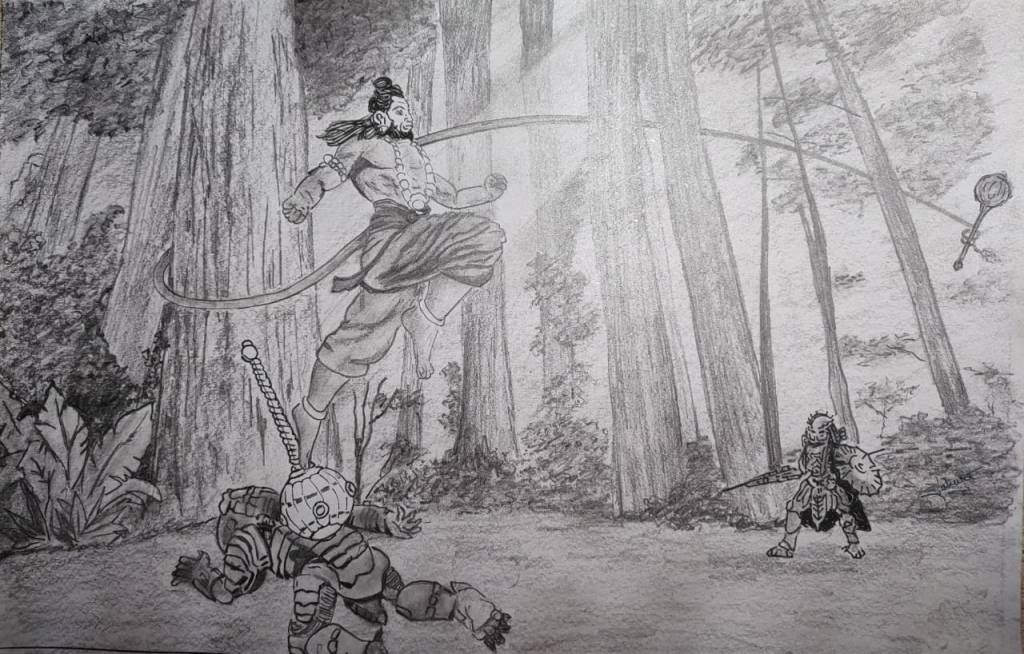
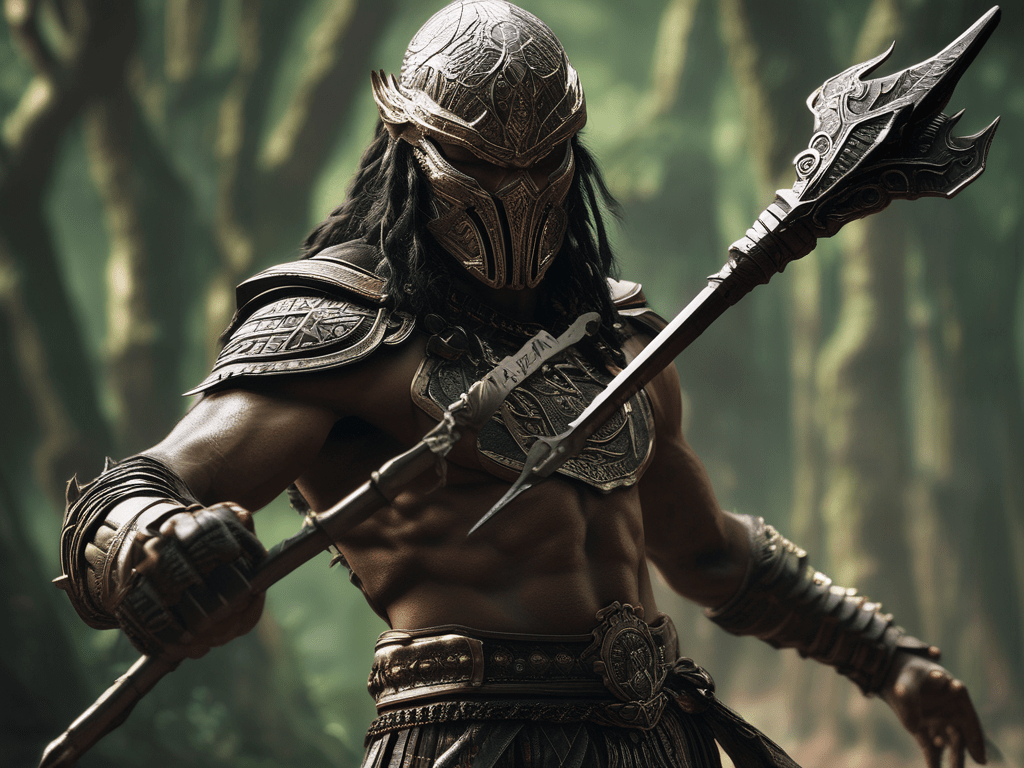
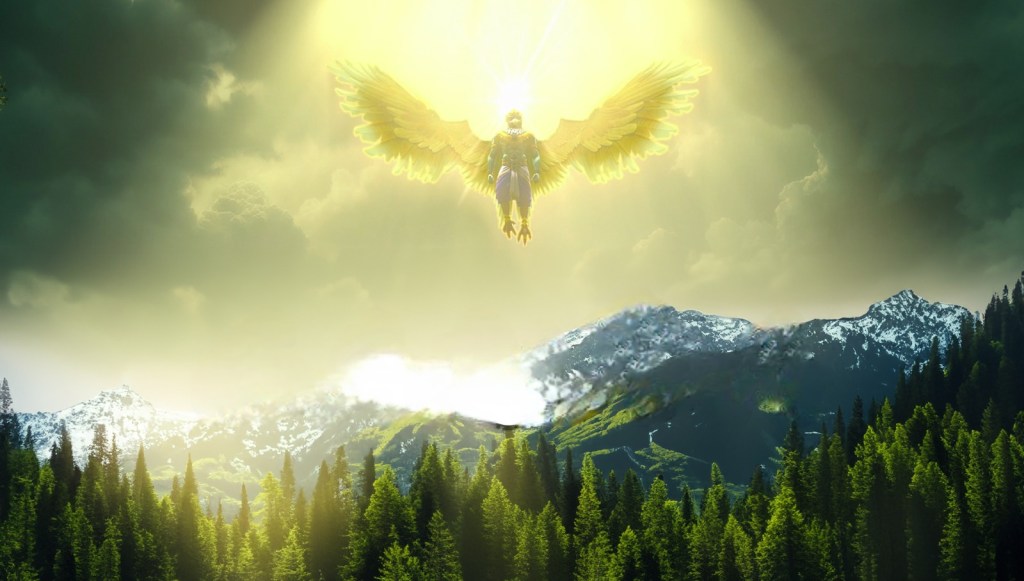
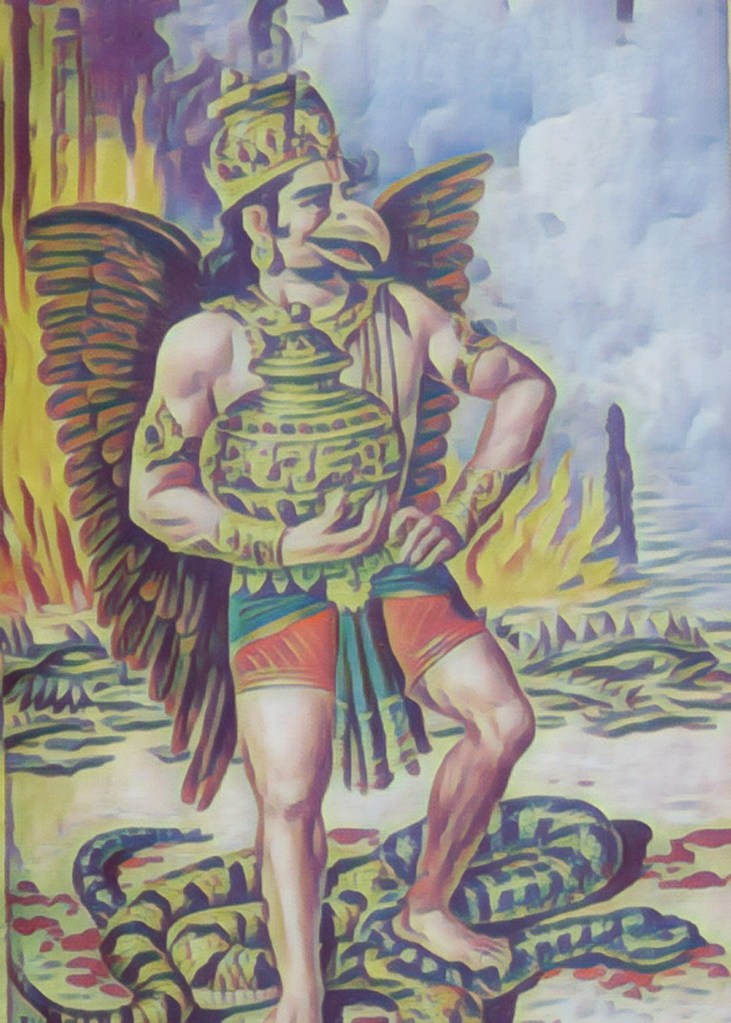
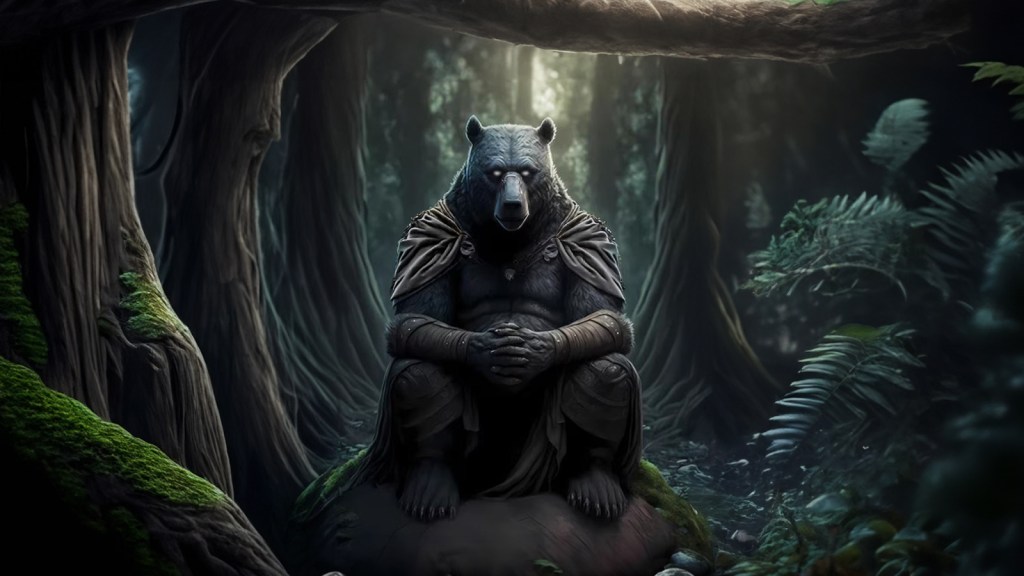
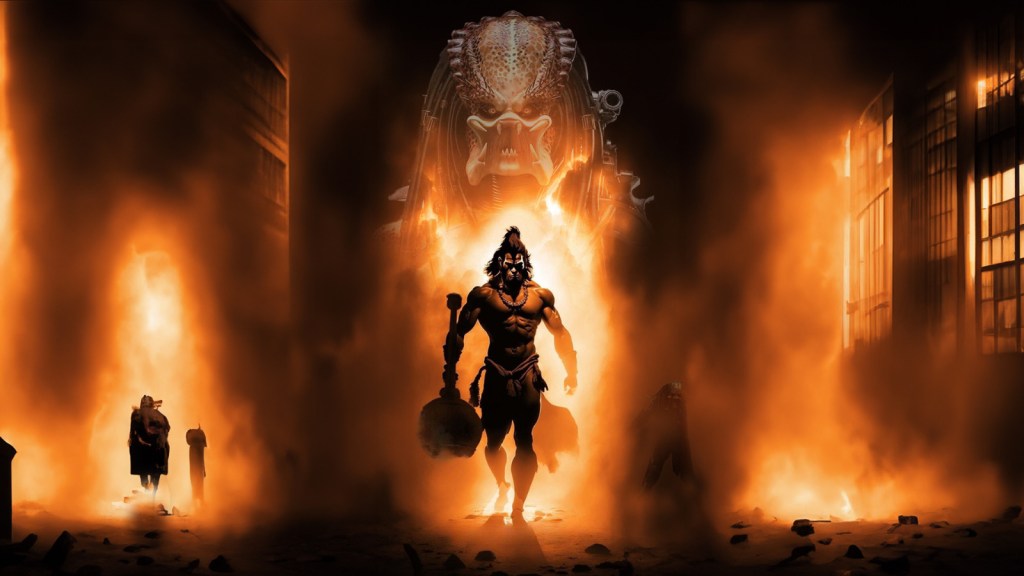
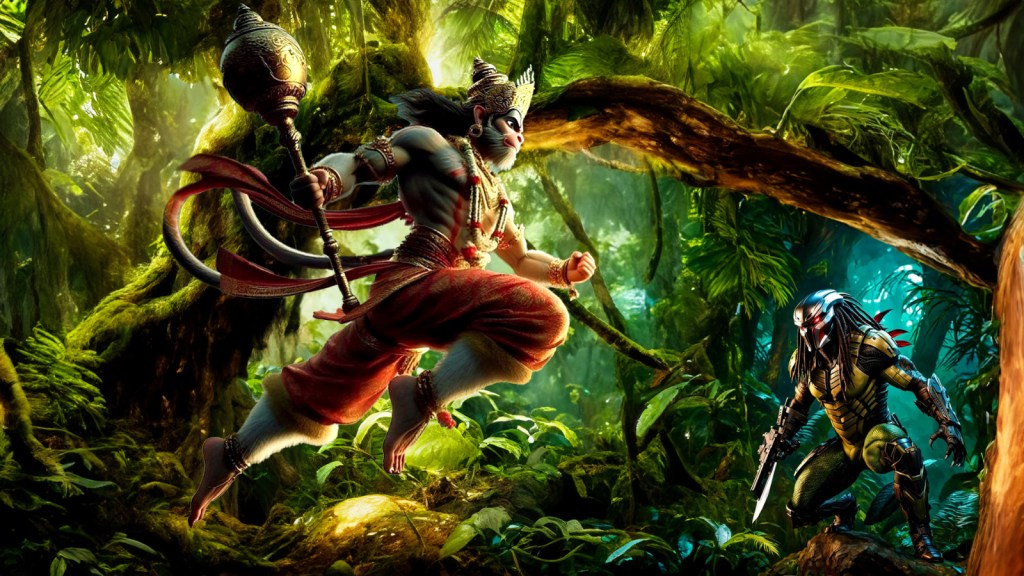
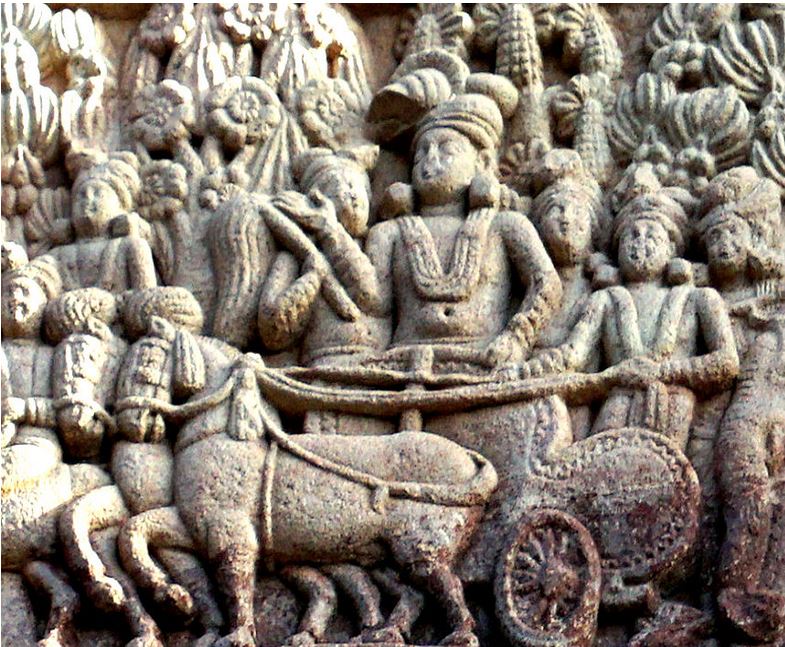
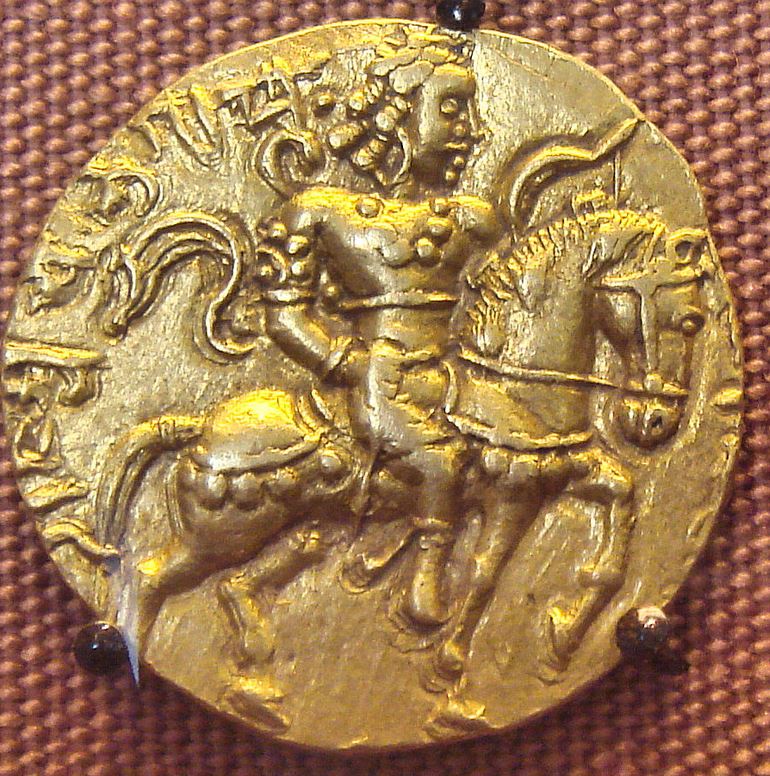
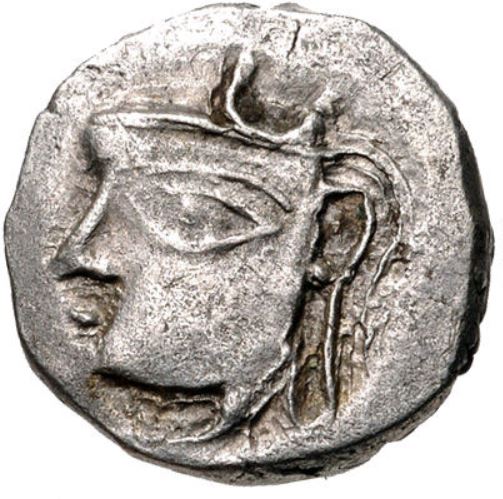

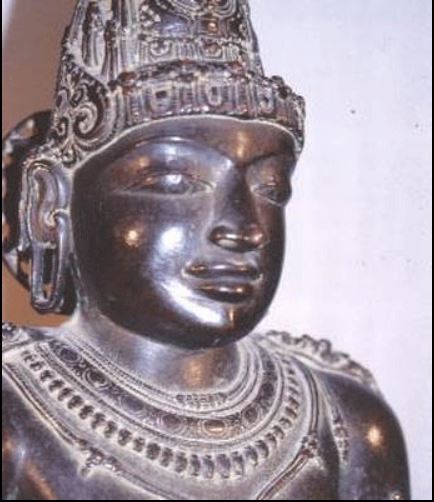
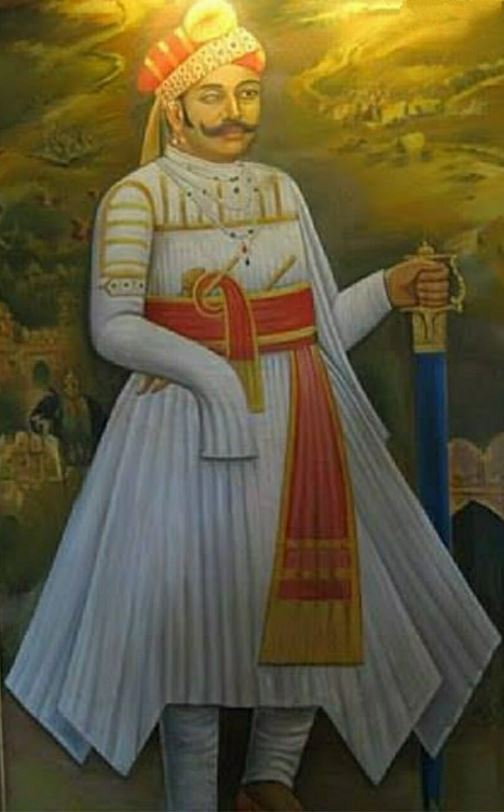
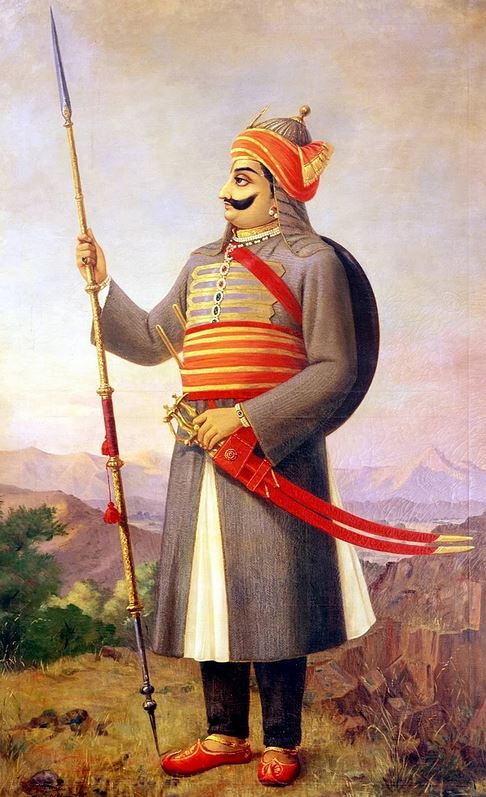
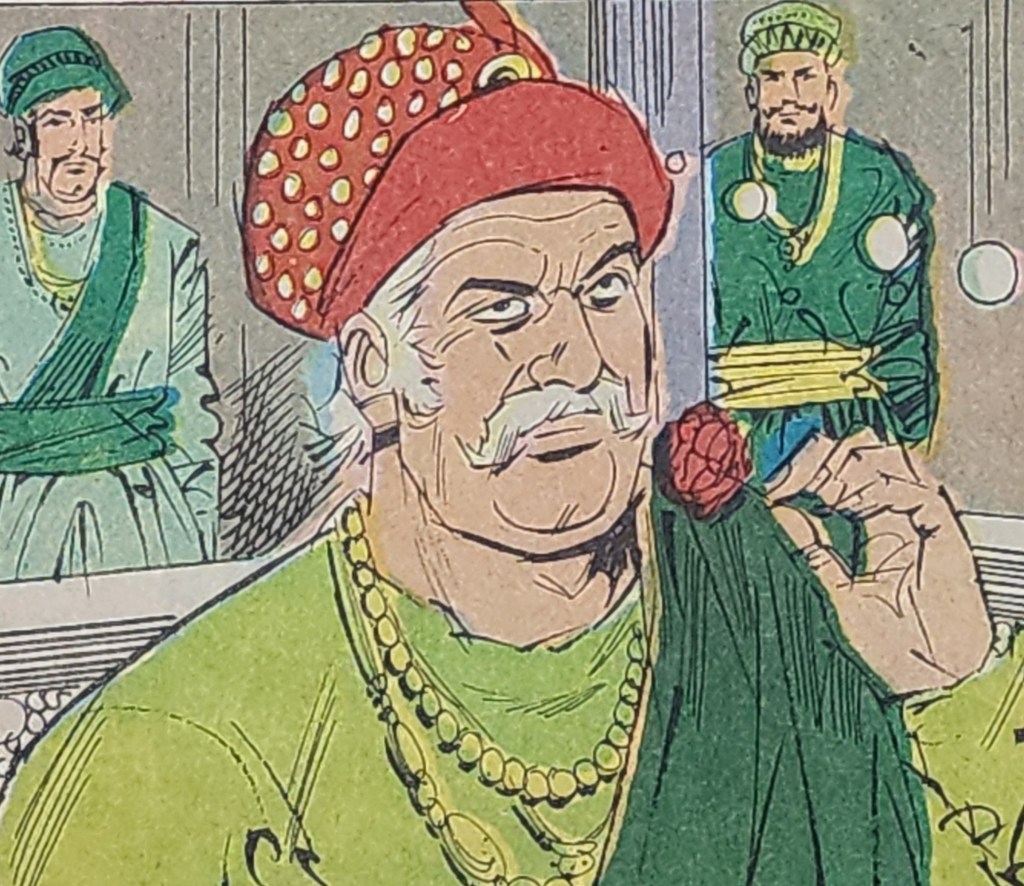
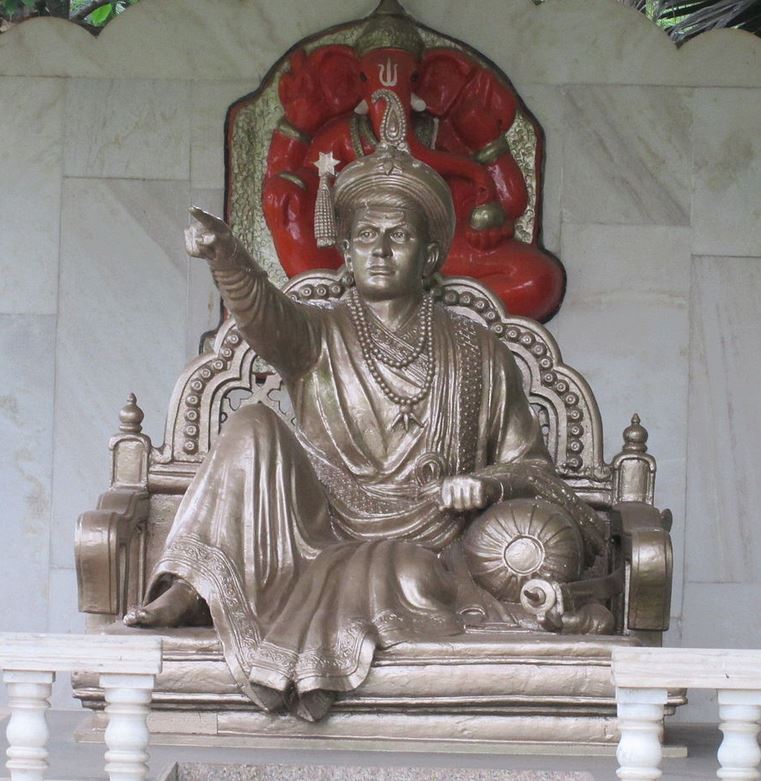








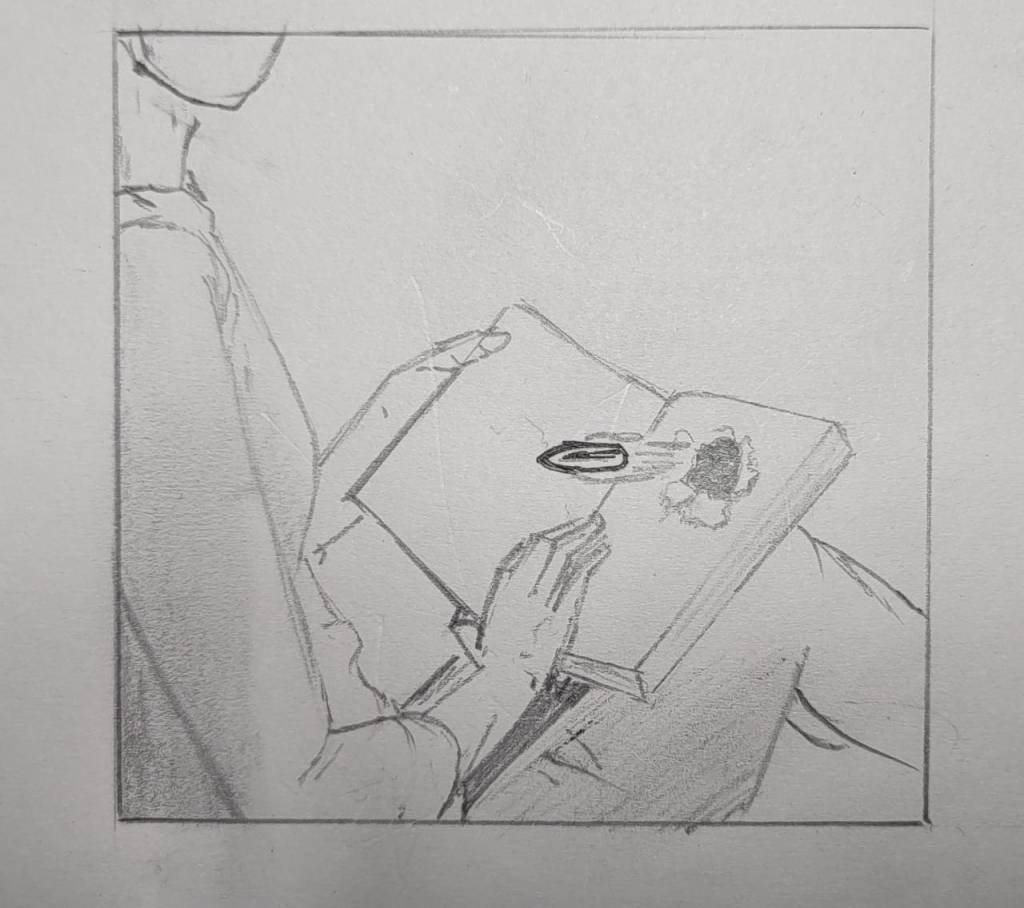
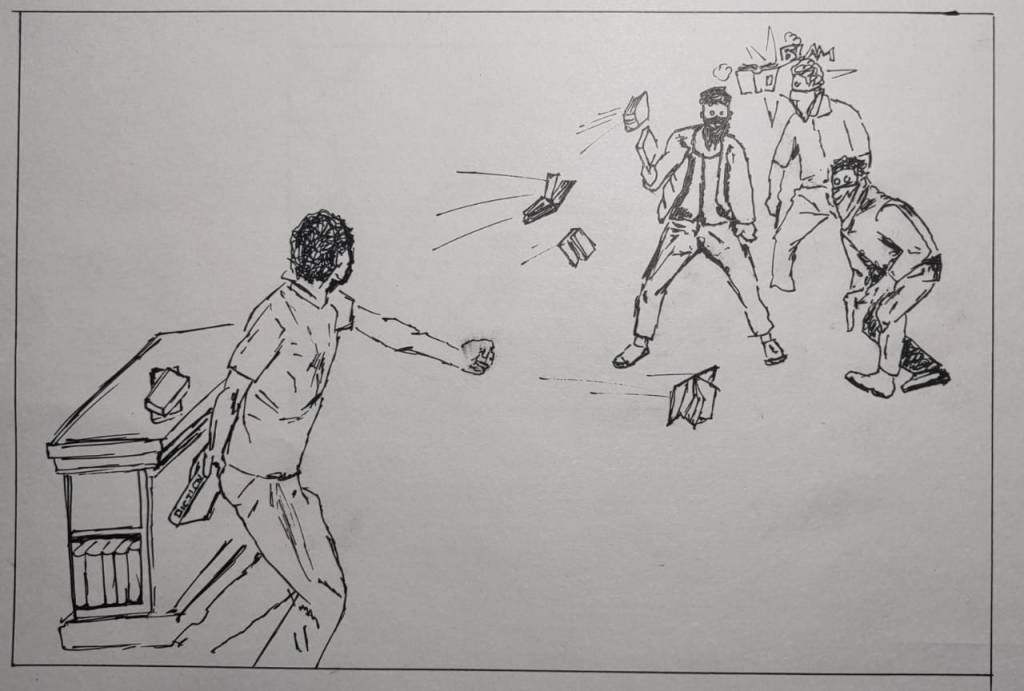
 Mundane Budo