In a previous article of mine where I was extolling the relevance of the festivals of Aayudha Pooja and Vijayadashami*, I had described the concept of “Shinken Gata” in the Bujinkan system of martial arts. The Shinken Gata is also a test students of the Bujinkan go through in some dojos. Shinken Gata can be roughly translated as “The Form (Kata) where the Spirit (Shin) in the Weapon (Ken)”. The test involves facing multiple opponents who attack at the same time from different directions, while attempting to perform specific forms.
In my experience, some of the learnings from this test for a student are,
- Fatigue sets in really fast
- Multiple opponents cause disorientation
- Techniques and forms fail routinely and cannot be relied upon
- Fear sets in when there are multiple opponents, even in a safe simulation
- The objective of the test was never to check the form. It was to show that the spirit (“Shin”) is the true weapon. One keeps going until there is no life left.
- Failure will occur. One strives despite this awareness. It is sometimes possible to prepare to avoid failure, not always.
This test is in some ways similar to the “Kobayashi Maru” test in the Star Trek franchise. This test will always result in the individual being tested failing. Its objective is to test character and also to teach that one has to do one’s best despite the knowledge of impending and certain failure.
The Shinken Gata in the dojo where I train is usually administered before a student starts training weapons. In the past, there used to be many of dropouts post the test, but this has reduced in recent years. Individuals did not always drop out because the test was too hard or because they failed. Many a time people left AFTER they passed. I am not certain why, but one reason I have come to expect is that the passing of this test is very satisfying, euphoric even; hence the person who has passed is satisfied with what has been achieved and no longer has a drive to train further.
Those that pass the test and continue training have renewed vigour and train harder for a while. But the learnings from the test remain for a very long time. Those that do not experience the Shinken Gata test always want to. It is like not having tested oneself. Add to this the feeling that one has never experienced a real fight (fortunately) and has not even endured it in simulation, and one always feels deficient.
The simulated reality of the Shinken Gata makes one better prepared for a real conflict, even ones not physical, with an acceptance of reality and its unexpected nature. This experience in most cases helps one endure and survive, if not thrive. Shinken Gata even as a simulation shows what might be needed in the face of death, while facing overwhelming odds. One does everything one can, until the very last instant (the proverbial throwing of the kitchen sink or burning the boats). Hopefully this drive will enable survival and perhaps victory or achievement of an objective.
In my opinion it is something similar to this feeling of Shinken Gata that is part of the moulding of individuals who successfully become leaders. What they do with the leadership once it is achieved is a different matter altogether. This idea is the focus of this article. At the time of writing this article, we are still in the course of the 2024 Indian election to the Lok Sabha; there is still one last phase of voting to go. Hence, me being as political as any other Indian, am sharing some thoughts on why the Lord of the Congress cannot be the PM, at least not yet.
Consider the following well-known rulers/leaders/administrators from various points in Indian history and their struggle to attain the throne/leadership.
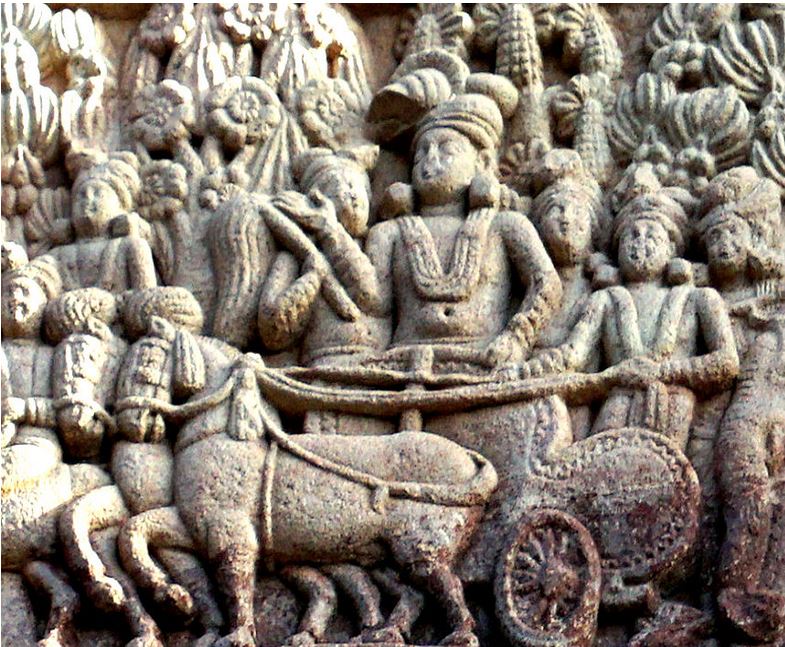
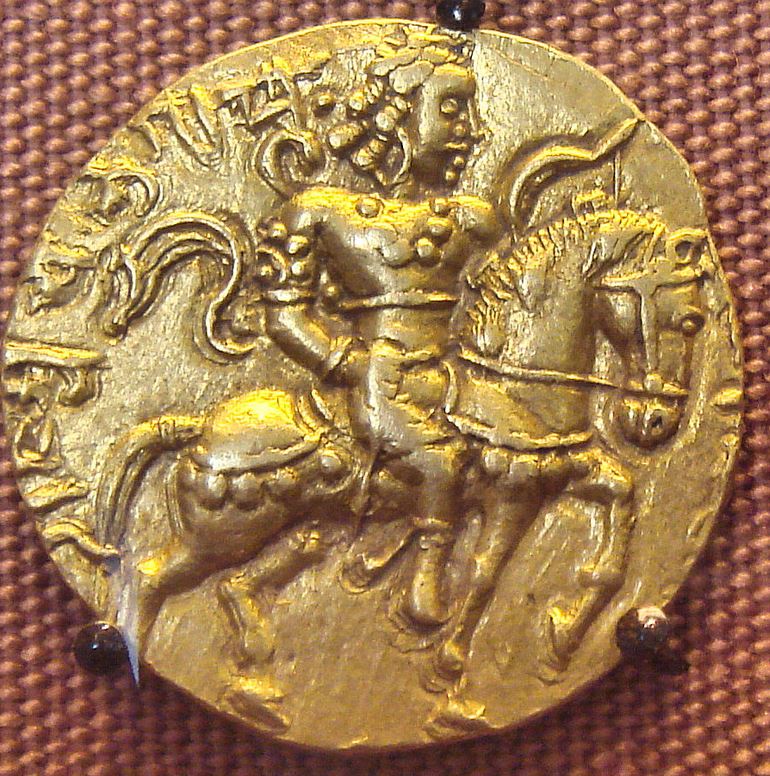
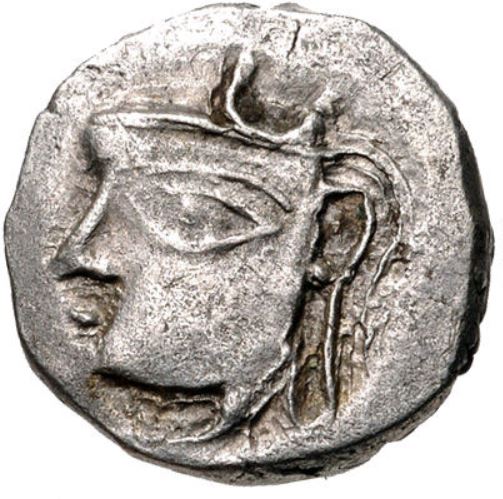
Left to Right – Ashoka, Chandragupta 2nd Vikramaditya, Harshavardhana. Credits for all 3 images – Wikipedia
- Ashoka Maurya had to fight and kill his brothers to achieve the throne of Maghada in the third century BCE.
- Chandragupta 2nd Vikramaditya had to dethrone his brother Ramagupta to achieve kingship of the Gupta Empire in the 4th century CE.
- Harshavardhana’s brother Rajyavardhana was the Pushyabhuti king. He was killed treacherously. Harsha had to fight King Shashanka of the Gauda kingdom to protect his family and kingdom in this uncertain time. His limited success in the war protected his kingdom and he took the throne of Thanesar in the early 7th century CE.
- Pulakeshi 2nd had to fight against his uncle Mangalesha who was the regent and had usurped the throne. This victory in the internecine conflict resulted in his taking the throne of the Chalukya kingdom in the early 7th century CE.
- Raja Raja Chola had to fight off enemies from within the Chola Empire and also fight external enemies before becoming the king in the late 10th century CE.

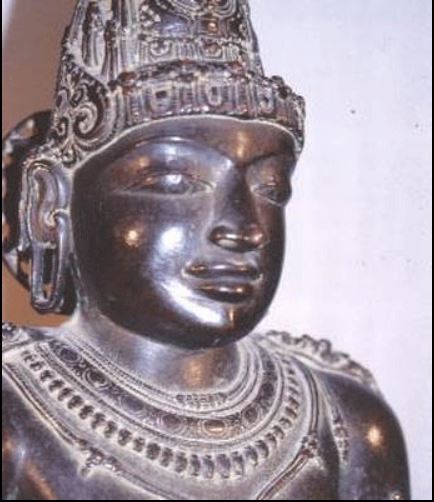
Left to Right – Pulakeshi 2nd as depicted in a statue in Badami, Karnataka, Raja Raja Chola depicted in a bronze sculpture. Credits for both images – Wikipedia
- Rana Sanga had to survive his elder brother’s enmity to become the king of Mewar early in the 16th century CE.
- Rana Pratap had to survive attacks from the Mughals and also intrigue by his brother before claiming the throne of Mewar in the latter half of the 16th century.
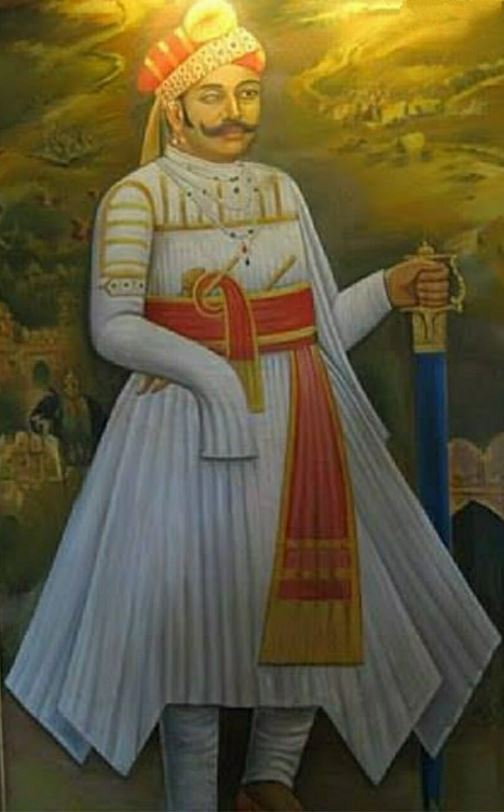
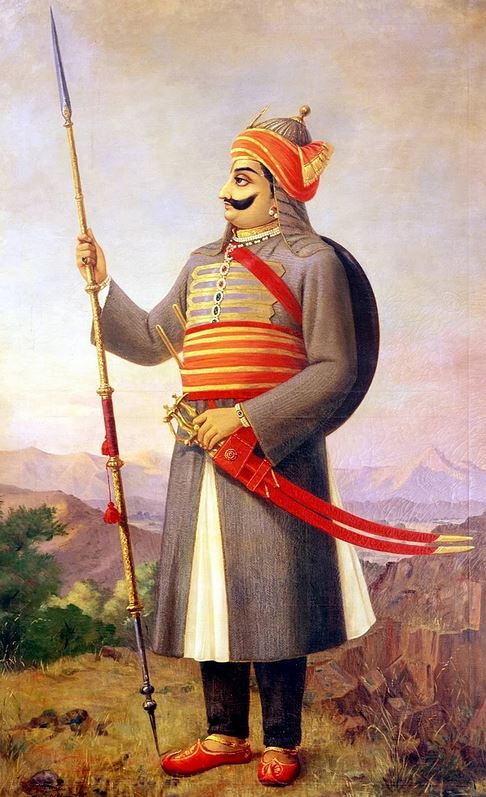
Left to Right – Rana Sanga, Rana Pratap. Credits for both images – Wikipedia
- Akbar had to fight and win the 2nd battle of Panipat against the forces of Hemu to win the throne of Delhi, during the middle of the 16th century CE.
- Aurangzeb killed his brothers and jailed his father on his way to becoming the Mughal emperor during the middle of the 17th century CE.
- Peshwa Madhav Rao had to overcome his uncle Raghunath Rao before taking over as Peshwa of the Maratha Confederacy and restoring its glory after their defeat in the third battle of Panipat. This was in the latter half of the 18th century CE.
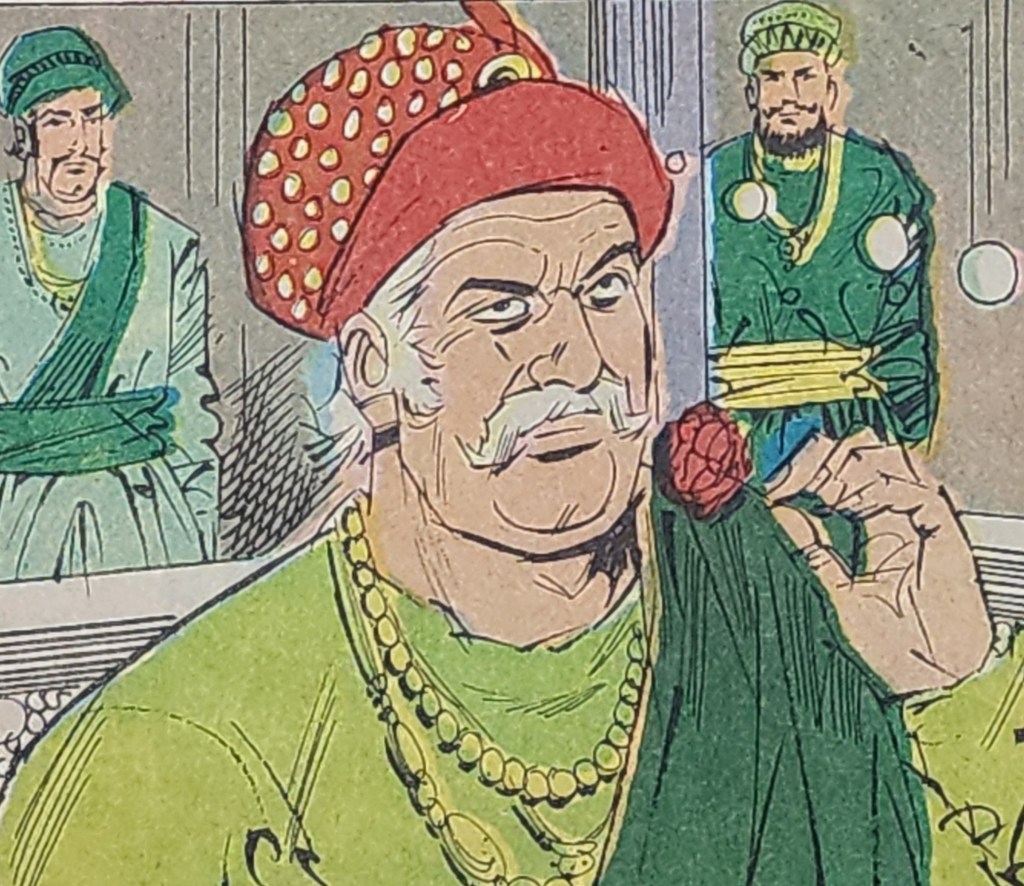
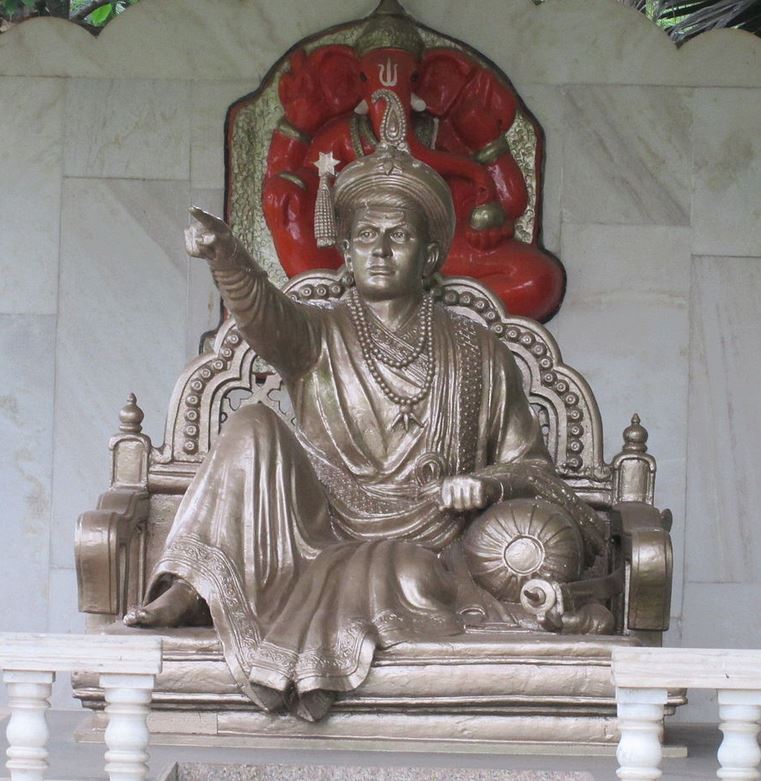
Left to Right – Akbar as depicted in the Amar Chitra Katha publication “Birbal The Wise”, Peshwa Madhav Rao as depicted in a statue in Maharashtra. Credit for the image on the right – Wikipedia
- In the 20th century PM Indira Gandhi had to split the Congress party on the way to becoming the powerful leader that she came to be.
- Lastly, in the current century, consider PM Narendra Modi. When he was the new CM of Gujarat in 2002, the tragedy of Godhra and the following riots occurred. After this incident, he had to survive opponents within the party, endure international ignominy and be acquitted by the enquiries and judicial processes that followed over the years. He then had to overcome challenges from within the BJP before becoming the PM candidate before the 2014 Lok Sabha elections.
In all of the above cases, the individual who became ruler or leader had to face serious, almost existential threats to their selves or at least to their leadership ambitions. The leaders either faced very serious external threats or, in most cases, had to fight internecine conflicts before becoming the ruler or leader. I opine that this struggle early in their careers, is akin to the Shinken Gata, but with vastly greater consequences. It is likely this relentless fight to achieve the top post that stood them in good stead later, as they achieved success in keeping the top post against all challenges and also added more fame to their time as the ruler/leader.
This is not to say that those who do not survive a civil war or severe external threats will not become rulers or leaders and be successful thereafter. The examples of Bindusara, Samudragupta and Rajendra Chola demonstrate this. These rulers inherited kingdoms which were not on the brink of war and did not fight family on the way to the throne. Yet they are remembered as successful monarchs, even great ones, in the case of the latter two.
I am suggesting that when one fights hard to achieve the top post, and especially when one fights a civil war to achieve the same, even if it is not bloody and only full of intrigue, the chances of becoming a great leader is higher. Even if one is not yet fighting for the top post of PM or monarch, but has had to fight to achieve the highest post or any objective one aspired to, the struggle and endurance is likely to stand that individual in good stead should she or he aim higher, maybe for the top post.
Conversely, if the highest post one has held is handed to that individual on a platter, and that person aims higher, for the post of PM in today’s context, the lack of struggle to achieve the previous highest position could come as a handicap. The experience of a fight or conflict of any kind would lend itself to the strife that needs to be endured to win an election against a powerful opponent. And any fight to be PM would indeed involve powerful (skillful, wily, ruthless, choose your adjective) opponents.
Apply this to the principal challenger for the post of PM in the current elections, Rahul Gandhi. He has not had to fight against his own party members to become the leader of the Congress party. But he has been fighting for the post of PM for ten years now. Of course, it can always be said that he is not keep on the post of the PM, but if one chooses to believe that, that is their choice.
Rahul Gandhi is facing current PM Narendra Modi, who is as incredible an opponent as there can be. Rahul Gandhi was going up against a seasoned political and electoral warrior forged over the course of many past conflicts without any such history on his side. If Rahul Gandhi had had to fight hard to become Congress President, would that experience have changed his fortunes against Narendra Modi? I suspect that would indeed have been the case. This lack of past conflicts did him in, in both 2014 and 2019.
But things have changed in the last year. Since 2023, Rahul Gandhi is a much different political warrior compared to the one he was in both 2014 and 2019. The fight and defeats of the last two elections have been experience after all. Add to this the urgency or desperation to win or at least not lose as badly as the last two times have made him a stronger competitor. He is more fiery, applying greater effort and using all means that he can perhaps consider. In my limited observation, this includes building a coalition of limited strength and using the skill sets and resources of individuals and organizations outside India.
The drawback to these efforts will likely turnout to be the late start. The improved efforts will not result in the leader of the Congress becoming PM in 2024. The experience gained has not translated into successful application of the same to overcome the current PM. Hence, the Prince cannot be the PM. But, the struggles of the 2024 elections will translate into ability, if the effort is sustained. And hence, the Prince is not the PM, yet. His struggles could have put him on the long road to eventual success. But that, the future will tell, perhaps in 2029.
Disclaimer – I am not a historian, nor a specialist in the social sciences, and I could wrong about all the above points.
Notes:
 Mundane Budo
hold the door prince 🤣👍🏾
LikeLike
Hahaha :D
LikeLike