This is the concluding article in this series of 3 posts where I share images and observations about various spears I have come across over the last few years. I continue in this article from where I had left off in the previous post. In this post we will continue looking at more spears, spearheads and spearpoints and consider their attributes, with a slightly greater focus in this one on spearpoints from cultures beyond India.
In the last 2 posts, we looked at images of parts of spears starting from about a thousand years ago. We also looked at the spear wielded by Maharana Pratap. While this post can be read as a standalone, I would highly recommend readers to go through the previous two articles in this series for a better appreciation of this one.
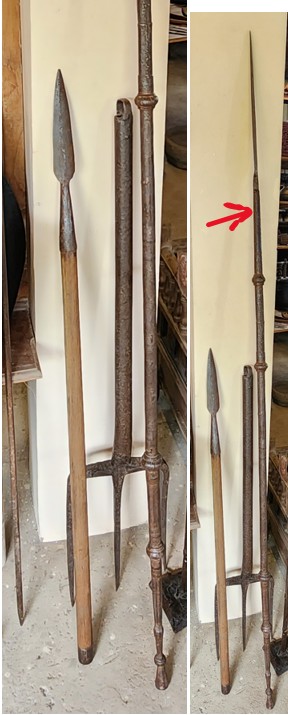
Images 1 (L) and 2 (R) – Image 1 shows a spear from the Kumarakom Heritage Museum, Vembanad, Kerala. Image 2 shows the spear in image 1 in comparison with the spear in image 14 in the previous post. This spear is also shown with a red arrow pointing to it in image 2.
We had left off in the previous article, the previous part to this post (Spears, Spearheads and Spearpoints – Part 2), with an image of a long spear (image 14 in the previous post) from the Kumarakom Heritage Museum in Kerala. We continue now with an image of another spear from the same museum. This is the one in image 1 above. The same spear from previous post is seen in image 2, with a red arrow pointing to it.
The spear in image 1 is very short, between 3 and 4 feet long. Image 2 shows this spear in comparison with the long spear (it is the same spear in image 14 in the previous article). The shorter one is less than half the length of the longer one. I am not sure if the shaft and the butt cap are the original ones that were mounted with this spearhead.
The most interesting thing about this spearhead is that it is remarkably similar to the spearheads the Vikings are supposed to have used. The image below will illustrate this point.
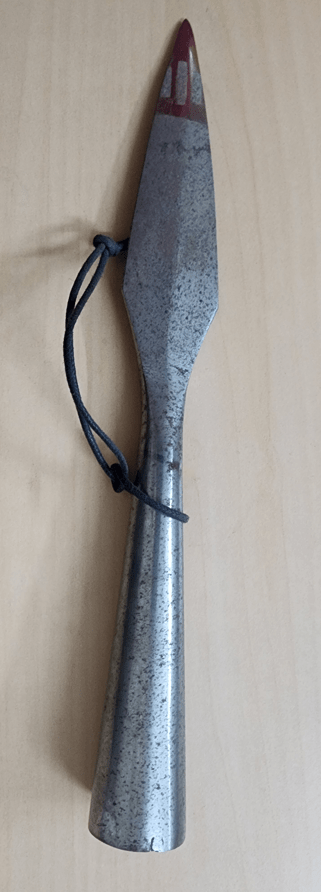
Image 3 – A replica of a Viking spearhead
I bought the spearhead seen in image 3 in Sweden, in the Old Town of Stockholm, at a store called “The Viking Store”! 😊This piece is supposed to be a replica of the regular spearheads that Viking soldiers used. It is about a foot long, with the spearpoint and the socket both being about 6 inches in length.
Now compare this spearhead with the one on the spear in image 1, displayed in the museum in Kerala. I think the 2 spearheads are very similar. This again goes to show how robust and versatile this design of spearhead was! The Viking era is considered to be from the 8th century to the 11th century. I suspect the example from the Kumarakom museum is from the 19th century. So, this design lasted for 1,200 years! Of course, in reality it lasted a lot longer than that!
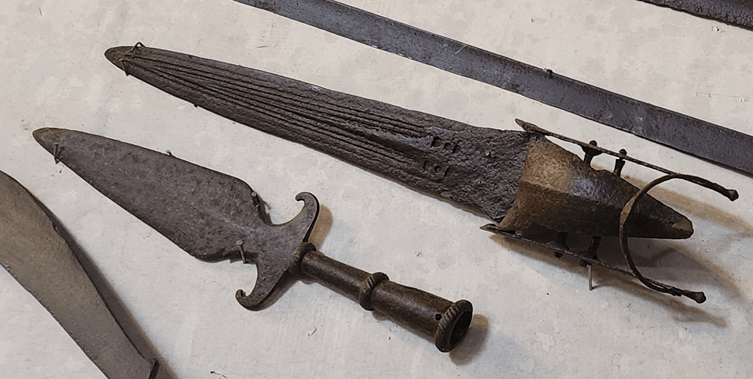
Image 4 – A spearhead displayed at the Kumarakom Heritage Museum, Vembanad, Kerala.
The image above shows another spearhead displayed at the Heritage Museum in Kerala. It has a flattened diamond section and 2 small wings between the spearpoint and the socket. The weapon above the spearhead is a hooded katar. It is a regular katar that has a “hood” to protect the knuckles and wrist of the wielder.
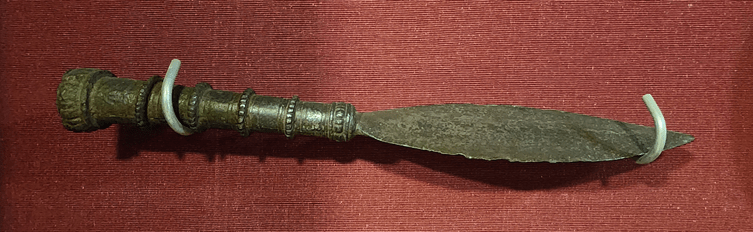
Image 5 – A spearhead displayed at a dojo.
Many years ago, our dojo rescued a set of antique arms. They were with a local antique dealer who was going to scrap them all as no one seemed interested. So, the dojo pooled resources and rescued the antiques which would otherwise likely have been melted as scrap. A set of these could be restored for display and study by martial artists. We do not know the age of any of these, or the actual metals used in their construction. We think they are from the 18th and 19th centuries and are mostly made in India.
Images of a few spearheads from this set are seen here, starting with the one in image 31. This spearhead has a leaf shaped point. The point and socket are both about 6 or seven inches long. The edge has come damage and is pretty thin. It is completely flat and has no pronounced increase in thickness towards the centre of the spearpoint.
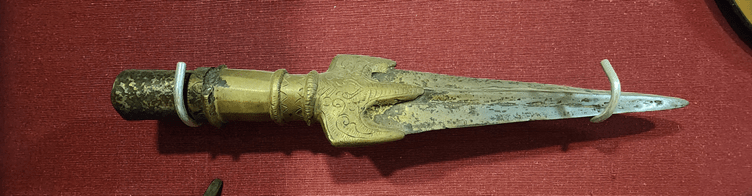
Image 6 – A spearhead displayed at a dojo.
This spearhead seems to have a point made of steel affixed to a socket made of brass. I am not sure if the joint is with a weld or with glue. The spear point is triangular in shape and about 9 inches long. It has a substantial midrib that contributes to the rigidity of the spearpoint.
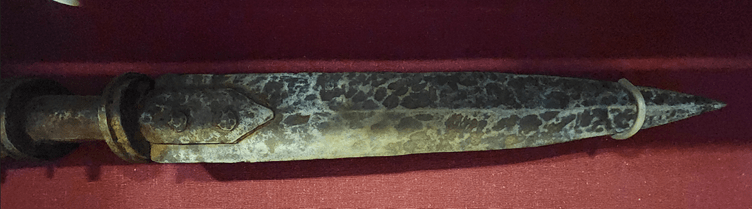
Image 7 – A spearhead displayed at a dojo.
This spearhead is large. The spearpoint itself is more than a foot long. The socket is another 10 or so inches long. The point is attached to the socket with 2 rivets as seen in image 7. This spearhead could be considered a short sword by itself. The spearpoint has 2 sharp edges that can cut if need be. The point also has a bit of reinforcement for effective thrusting against heavy clothing or chainmail.
The surface texture of this spearpoint keeps the hammered look. It is not polished to give a smooth finish. I wonder how long the actual spear on which this was originally mounted would have been?
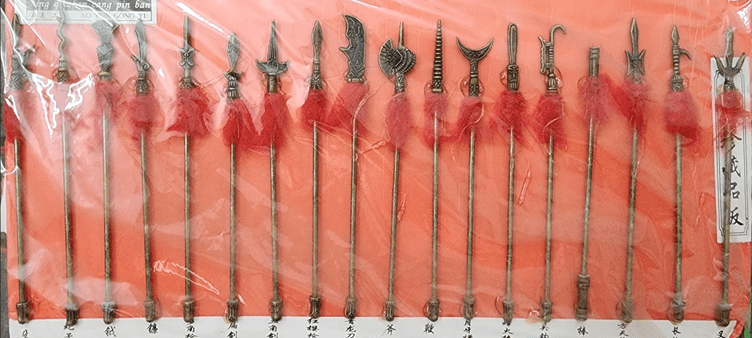
Image 8 – The 18 Arms of Wushu
The internet tells me that the above image depicts “The 18 Arms of Wushu”. Many years ago, I bought the set seen above as a souvenir from China. At the time I didn’t know this specific name and bought it as it depicted different polearms which are Chinese in origin. Apparently, this is a common souvenir that is also available online these days. Each of the pieces is about 6 inches in length.
Not all of the 18 are spears as we think of them in the conventional sense, but they are all polearms. Some are designed for cutting or hacking and some are even designed for digging, so they cannot be called spears as they are not thrust centric weapons.
I am not sure of the specific name for these. A search on the internet, even with AI, was not satisfactory. So, I shall only mention the names of the ones I know and just describe the rest.
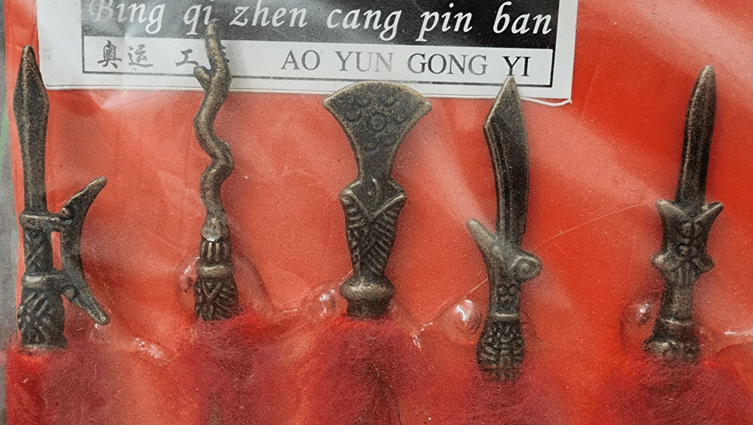
Image 9 – A close-up of 5 of the heads of the “18 Arms of Wushu”.
The weapon on the far left is certainly a spear. It has a crescent shaped cutting tool on its right, which could be an axe. The second weapon from the left has a spearhead resembling a snake, or perhaps an antler. I think of an antler as there is a single prong towards the tip that deviates from the sinuous point.
The weapon in the middle is what I believe is called the “Monk’s Spade”, for it was used by martial monks both as a spade and as a weapon. To the right of the Monk’s Spade is what I think of as a Kwan Dao. This is similar to the Japanese Naginata or a Glaive from other cultures. It is essentially a curved sword blade atop a spear shaft.
To the far right of the image is another spear. I am not aware if it has a specific name. It has what seem like wings below the spearpoint. I am not sure if they are wings or 2 small crescent blades just below the point.
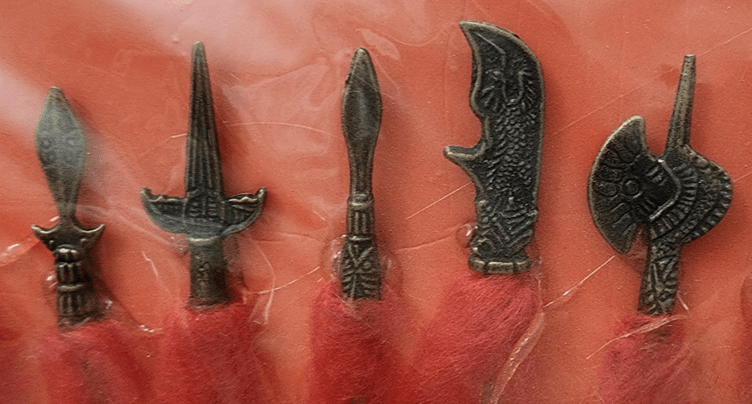
Image 10 – A close-up of another 5 heads of the “18 Arms of Wushu”.
The spear at the far left of image 10 resembles the spearhead in image 4, displayed at the museum in Kerala, India. It has a leaf shaped spearpoint and 2 wings below the point. The spearhead to its right reminds me of the European Partisan spear. In sheer size it also similar to the large Rajput spearpoints seen in images from part 1 of this series of articles. I am sharing that image here again. The spear in the middle seems like one with the classic leaf shaped spearpoint seen all over the world. I am not aware of the Chinese names of any of these.
The large polearm that is second from the right also looks a Kwan Dao to me, but his one seems a lot bigger than the one seen in image 9! I would say that this resembles the Japanese Bissento (horse cutter). To the far right is what seems an equivalent of the Farsa seen in an image in part 2 of this series of articles, which I am sharing again. It is a combination of an axe and a spearpoint on a pole. I am not sure what its Chinese name is.
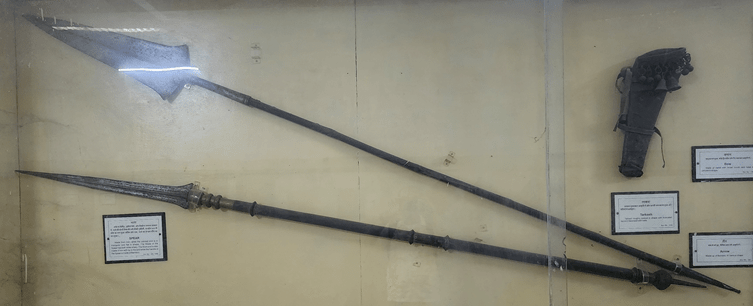
Image 11 – Display of two spears from the Government Museum, City Palace, Udaipur, Rajasthan.
The spearhead from image 10, that is second from the left, reminds me of the spearpoints on the 2 spears seen in image 11.
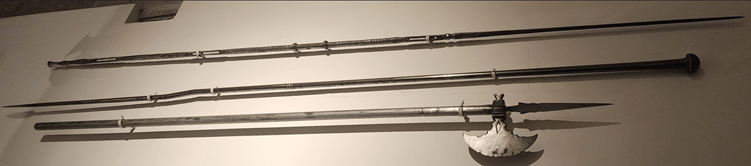
Image 12 – Display of two spears and a farsa (halberd) from the City Palace Museum, Udaipur, Rajasthan.
The combination weapon at the bottom of image 12 is the Farsa (halberd), which is what the weapon at the far right of image 10 reminds me of.
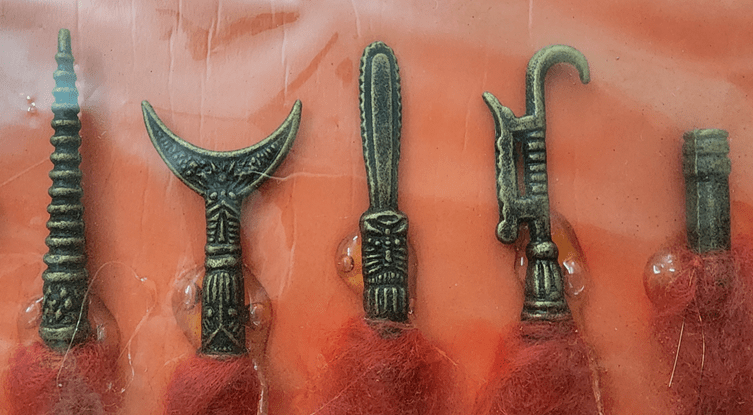
Image 13 – A close-up of 5 more heads of the “18 Arms of Wushu”.
I am not aware of the Chinese names of any of the polearms in image 13 either. The spearhead on the far left in image 13 is intriguing! It resembles a tapering spindle. I am not sure if it was purely a thrusting weapon or used for both thrusting and blunt force strikes with the lower parts of the spearpoint. The weapon that is second from the left is a crescent. I am not sure if is a blade or not. I can only imagine how this was wielded or deployed.
The weapon in the centre seems like a short sword at the top of a pole to me. To my eyes it resembles the spearpoint from image 7, but this one does not seem to have a point. The weapon that is second from the right seems like an anti-cavalry weapon as it has a hook at the tip. This would be useful in pulling riders off their horses, or in tripping horses. The other side of the hook seems to have a blade, though I cannot be sure.
The weapon on the far right is a double-sided weapon. It has the same head on both ends of a pole. It seems like a pole with a bludgeon on its two ends.
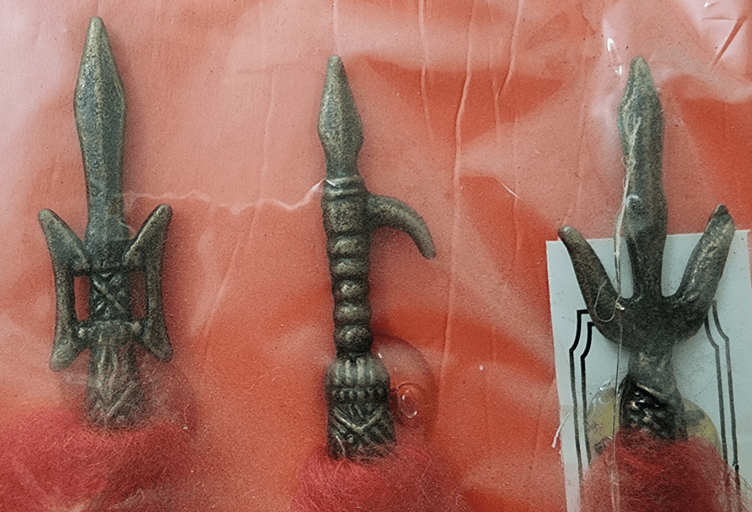
Image 14 – A close-up of the last 3 heads of the “18 Arms of Wushu”.
Again, I am not aware of the original Chinese names of the 3 weapons in the above image. The spear one on the far left seems like a variant of the spear on the far left of image 9. Here, there seem to be crescent blades on both sides of the spearpoint, unlike the one in image 9, where there was only one crescent blade with the spearpoint.
The weapon in the centre has a spearpoint with a hook to its right. The hook I guess could be used to parry the weapons of opponents and pull people off horses, if not just trip them. The last of the 18 arms, on the far right of image 14, seems like a trident where the central point is longer than the two prongs on the sides. To my eyes, this also seems like an Okinawan Sai mounted atop a spear shaft. The central spearpoint seems to flare and narrow along its length. I wonder what purpose that design serves?
If anyone knows details of “The 18 Arms of Wushu” and the weapons depicted in the above images, including their names, please do share the same with me, in the comments to this post. It would be great knowledge.
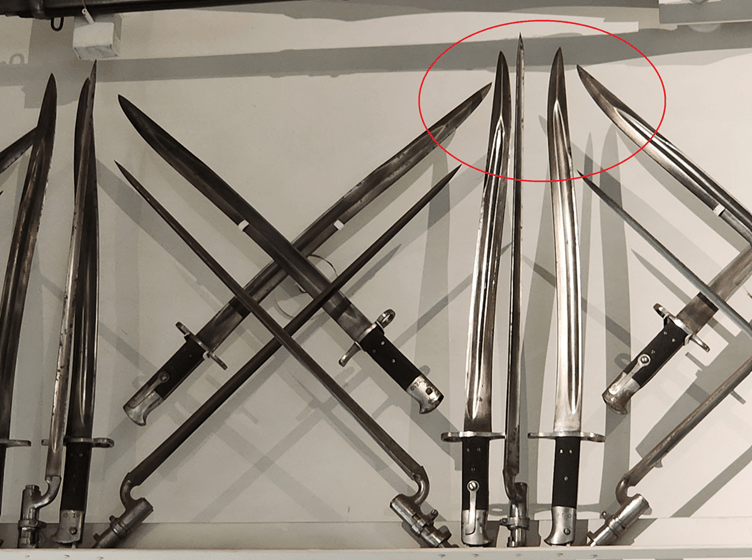
Image 15 – Display of bayonets from the City Palace Museum, Udaipur, Rajasthan.
Bayonets when fitted to rifles make the rifles modern equivalents of spears. This makes bayonets, in my opinions the last iteration of the spear in world history. Image 15 above shows a collection of bayonets of different kinds, all likely from the end of the 19th century.
In the above image, some weapons displayed look like swords, but they really are bayonets. Some bayonets were functional short swords. The swordlike bayonets in the above image have a forward curve with a recurve towards the tip. This type of blade was called the Sosun Pata in Maratha culture. In the British Army of that time, I believe it was called the “Yataghan Bayonet”. The Yataghan was a short Turkish (Ottoman) sword similar to the Maratha Sosun Pata and was used in the same time period. Instead of a conventional cross guard, a socket is added to these swords which make them bayonets. Th socket is used to fix the blade to the end of a rifle barrel.
Observe the 2 points encircled in red in the above image. Both points are reinforced. While the use of armour had disappeared by the time these bayonets were used, soldiers used heavy clothing and bayonet points had to be strong enough to get through these layers.
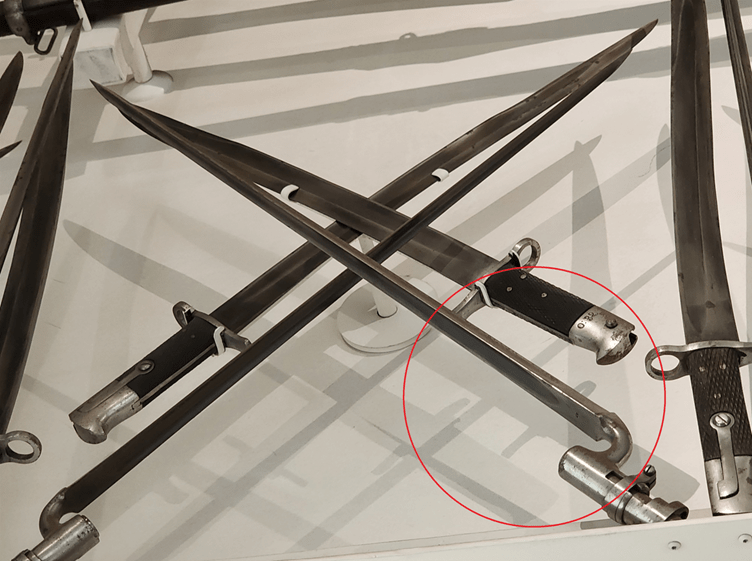
Image 16 – Display of bayonets from the City Palace Museum, Udaipur, Rajasthan.
Observe the bayonet encircled in red in image 40. It has a triangular section which tapers down to a fine point. It has no cutting ability but would thrust very well due to its rigidity. It has the famous offset design where the spearhead is parallel to the rifle barrel. The socket at the bottom is fixed to the end of the rifle and even if one were to shoot while the bayonet wat fixed, the point would not be in the path of the bullet.
Observe the swordlike bayonet above the one just described. In this image the hole in the cross guard is clearly visible. This hole is the socket which was used to affix this bayonet to the rifle.
This concludes this article and this series of 3 posts in which I shared images of spears and observations regarding their attributes, especially their spearpoints and spearheads.

